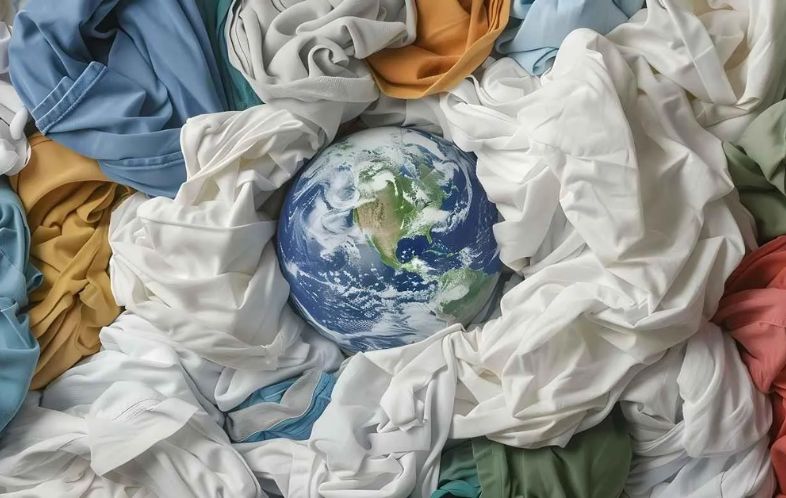
Not Just Environmentally Friendly, This Is the Importance of Sustainability in the Textile Industry
When discussing sustainability in the textile industry, the first thing that might come to mind is the use of eco-friendly materials. However, sustainability has a much broader scope—ranging from water and energy usage, chemical management, to how textile waste is handled after the production process.
For us, sustainability is not just about following trends, but becoming part of how the textile industry can grow more responsibly and efficiently.
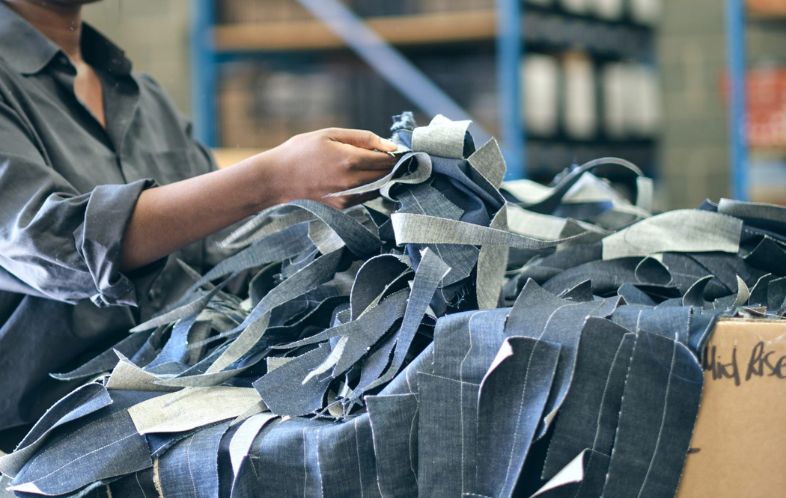
Image Source: Reverse Logistics

Why is Sustainability Important in the Textile Industry?
The industry's impact spans the entire production chain
The textile industry has a long production chain, starting from raw materials to the final product. Every stage can have an impact on the environment and resource consumption.
UNEP notes that the textile sector is linked to various issues such as climate change, water consumption, pollution, waste, and chemicals. Therefore, a sustainable textile industry requires an approach that looks at the entire product lifecycle, not just a single production process.
Sustainability is also related to efficiency
Running a more sustainable production process does not always mean adding new procedures. Efficient resource use is also a crucial part of sustainability.
More efficient water and energy consumption, for example, can help industries reduce resource consumption while improving operational efficiency. This is why sustainability is becoming increasingly relevant to the development of the modern textile industry.
What Are the Steps Toward a Sustainable Textile Industry?
Managing water and energy usage
Certain textile processes require large amounts of water and energy. Therefore, consumption reduction, process efficiency improvements, and better water management are vital parts of building a sustainable textile industry.
Simple steps, such as evaluating resource usage at each production stage, can help companies identify areas that still need improvement.
Also read: Gen Z Chooses Sustainable Fashion Not Just for the Environment, Here Is Why!
Paying attention to chemical usage
Chemicals are an essential part of various textile processes, particularly in dyeing and finishing. However, proper chemical management is also necessary to reduce environmental and health risks.
UNEP places the elimination of hazardous chemicals as one of the top priorities in the transformation toward a more sustainable and circular textile value chain.
Reducing textile waste through circularity
Sustainability does not stop when a product finishes manufacturing. Circular textiles encourage materials and products to be used for as long as possible through reuse, repair, and recycling.
UNEP encourages a shift from a linear model to a circular approach that keeps materials in use for as long as possible.
Sustainability Is an Ongoing Process
Not just a claim, but actionable steps
A sustainable textile industry requires gradual and measurable changes—ranging from evaluating resource usage, improving production processes, choosing materials more responsibly, to considering end-of-life product management.
With this approach, sustainability is no longer just an "eco-friendly" label, but part of a strategy to build a textile industry that is more efficient, responsible, and ready to face changing industry needs.
In your opinion, from raw material usage to textile waste management, which part is the most important to continuously develop on the journey toward a sustainable textile industry?