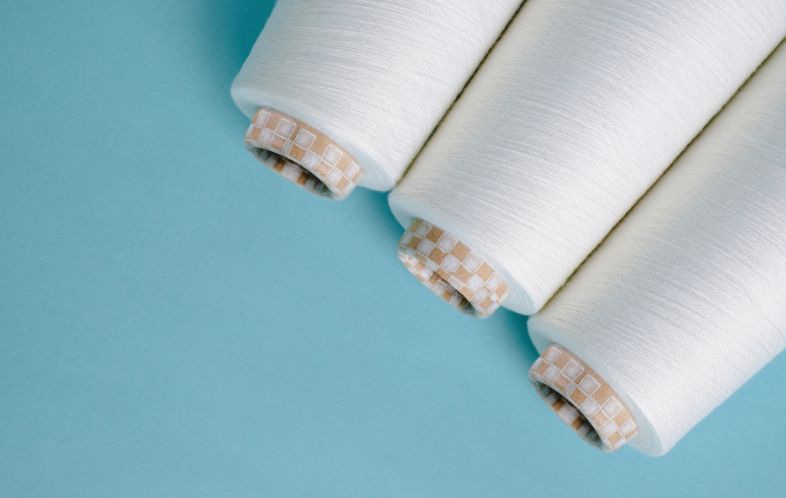
Cotton Yarn and Sustainability: Is Cotton Yarn Sustainable?
Cotton yarn has become one of the materials capturing the textile industry's attention as sustainability discussions continue to grow. Aside from being known as a natural fiber, cotton also holds the potential to support more responsible production practices.
However, what makes cotton yarn relevant in the sustainable textile industry? Let us explore the characteristics and potential of cotton yarn, as well as how raw material selection can be part of the step toward more sustainable textile production.
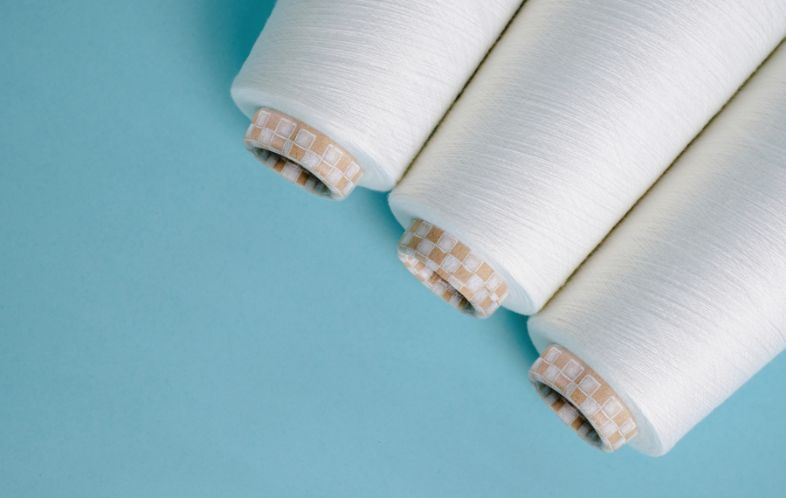
Getting to Know Cotton Yarn and Sustainability
What is cotton yarn?
Cotton yarn is yarn made from cotton fibers through a spinning process. This yarn is used for various textile needs, ranging from fabric manufacturing to apparel and household products.
As a natural fiber, cotton comes from plants that can be cultivated repeatedly. This characteristic allows cotton yarn to support the utilization of renewable raw materials in the textile industry.
What is meant by sustainability in textiles?
Sustainability in the textile industry encompasses efforts to address environmental, social, and economic impacts throughout the production process.
In the context of cotton yarn, the discussion can cover cotton sources, cultivation practices, resource utilization, and the yarn manufacturing process. By understanding these aspects, you can see that sustainability is not only about the type of fiber, but also about how the material is produced.
Is Cotton Yarn Considered a Sustainable Textile Material?
Natural fibers with the potential for sustainable production
Cotton yarn can be part of the sustainable textile industry because it originates from natural fibers. However, the natural nature of cotton does not automatically make all cotton yarn a sustainable product.
The sustainability potential of cotton yarn must be viewed from its raw material sources and production processes. Selecting cotton sourced from sustainable agriculture programs can be one step to support more responsible textile industry practices.
Getting to know organic cotton as a raw material choice
Organic cotton is cotton cultivated based on specific organic farming standards. These standards regulate cultivation practices, including the use of permitted agricultural chemicals.
When organic cotton is used as the raw material for cotton yarn, it can support the needs of industries wanting to use fibers with more directed origins and cultivation practices.
However, it is important to distinguish organic cotton from sustainable cotton. Both relate to sustainability, but they do not always share the same meaning or certification standards.
The Role of Certifications and Sustainable Cotton Programs
Better Cotton Initiative (BCI)
The Better Cotton Initiative, or BCI, is a program that encourages more sustainable cotton farming practices. This program covers aspects such as water management, soil health, biodiversity protection, and decent work practices.
For the textile industry, cotton sourced from programs like Better Cotton can serve as a raw material choice to support sustainability goals.
U.S. Cotton Trust Protocol
The U.S. Cotton Trust Protocol is a program focused on U.S. cotton cultivated with a more sustainable approach. This program utilizes measurement and verification to monitor several environmental and social aspects of cotton production.
The presence of this program demonstrates that efforts toward more sustainable cotton production are also carried out through measurement, transparency, and the improvement of cultivation practices.
Read also: Why Can Cotton from Every Region Differ? Understand the Influence of Climate and Soil
Why Is Cotton Yarn Attractive to the Textile Industry?
Supporting more responsible raw material choices
The use of cotton yarn from sources that possess standards or sustainability programs can help textile companies consider environmental aspects in raw material selection.
For those of you operating in the textile industry, information regarding cotton origins, production standards, and supporting documentation can be a consideration in determining materials that suit your product needs.
Becoming part of sustainable textile development
Sustainability in the textile industry is a process involving various stages, including raw material selection. Cotton yarn holds the potential to support this process through the use of natural fibers and cotton sources that implement more responsible production practices.
With the right material selection, the textile industry can continue exploring ways to produce high-quality goods while paying attention to sustainability aspects.
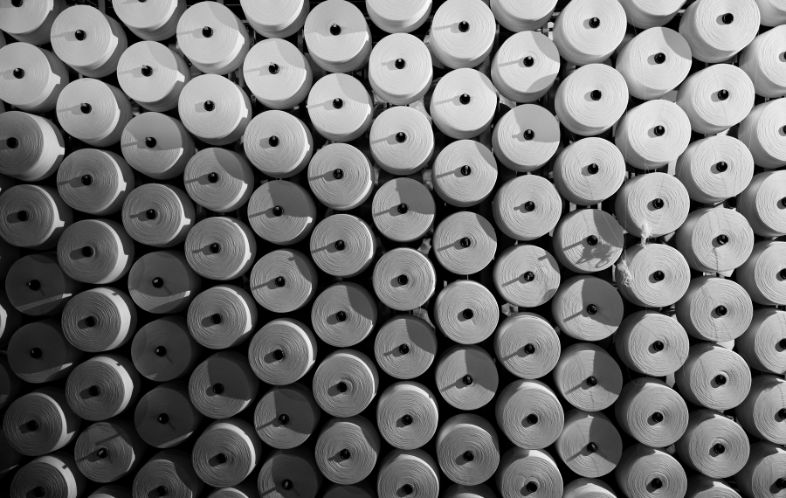
Cotton Yarn and Sustainability: Raw Material Choices for the Future of Textiles
Cotton yarn holds potential as a textile raw material that supports sustainability efforts.
For those of you currently looking for cotton yarn for production needs, understanding the sources of raw materials and their existing standards can help determine the right choice.
Cotton yarn from Danar Mas Group
As part of efforts to meet the needs of the textile industry, Danar Mas Group provides textile product options that can be tailored to customer requirements. For the best cotton yarn and textile products, please contact our team to discuss your raw material needs and the product specifications you require.