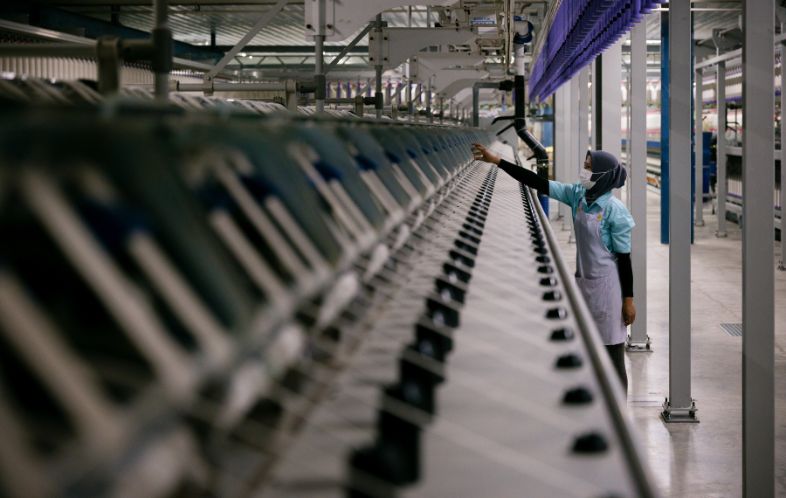
Indonesia Textile Market 2026: Where Is the Textile Industry Headed?
Indonesia’s textile industry continues to face changes. On one hand, the demand for clothing, fabrics, and various textile products keeps market opportunities open. On the other hand, global competition, efficiency demands, and evolving consumer needs require industry players to constantly adapt.
So, what does the Indonesia Textile Market 2026 look like? Is market growth simply a matter of increasing demand, or are there other opportunities to consider? Let’s take a look at the direction of Indonesia’s textile industry, from its market potential to its challenges and opportunities.
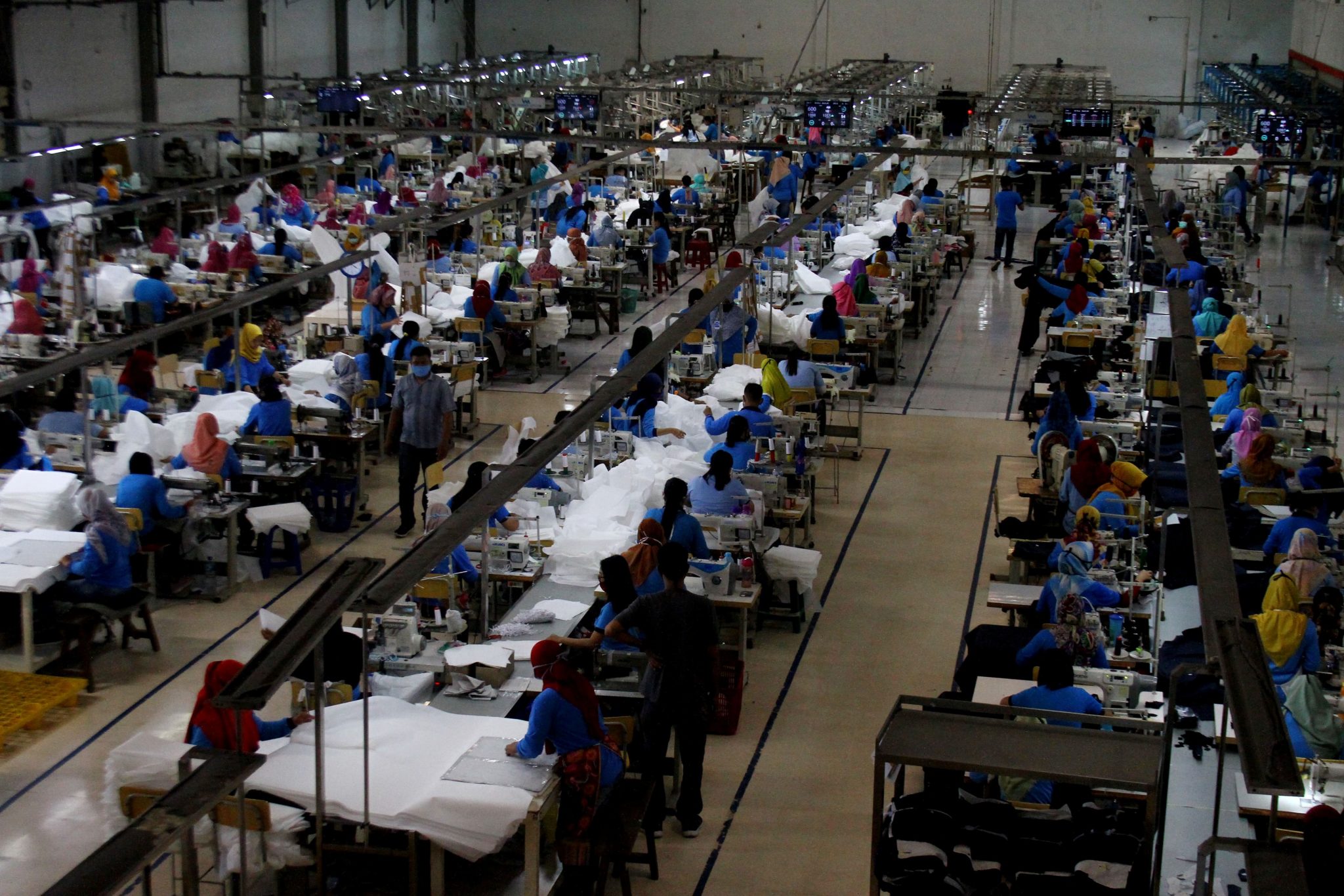
Sumber gambar: East Asia Forum
Indonesia Textile Market 2026: How Big Is the Potential?
Growth of the Indonesian textile market
According to a report by Mordor Intelligence, the value of the Indonesian textile market is projected to reach USD 41.27 billion in 2026. This figure is expected to increase to USD 47.36 billion by 2031, with a compound annual growth rate (CAGR) of 2.79% during the 2026–2031 period.
This data shows that Indonesia’s textile industry still has room to grow. However, market growth does not automatically mean that all manufacturers experience equal expansion. Shifts in demand, production costs, and competition remain crucial factors to keep in mind.
Fashion and apparel remain a vital segment
One of the main segments in the Indonesia Textile Market is fashion and apparel. Everyday clothing needs, evolving fashion trends, and demand for fabrics across various production requirements keep this segment highly relevant.
For textile manufacturers, this creates opportunities to offer materials that align with customer needs in terms of comfort, quality, and fabric characteristics.
What Drives the Growth of Indonesia’s Textile Industry?
Increasingly diverse market demand
The development of the textile industry is influenced not only by the volume of demand, but also by changing consumer and business needs. Comfortable, high-quality materials that suit product functions have become essential considerations when selecting textiles.
Amid these developments, manufacturers must understand market demands to produce relevant and competitive products.
Export opportunities and product development
Indonesia also holds strong potential through the textile and readymade garment export market. According to a report by IDXChannel, Indonesia’s textile industry exports reached USD 4.85 billion in the first half of 2026.
This figure demonstrates that the international market remains a key driver of industry growth. However, to maintain competitiveness, the industry must focus on product quality, production efficiency, and the ability to meet buyer specifications.
Read also: Greenwashing in the Textile Industry: What Is It and How to Recognize It?
Textile Trends to Watch in 2026
Sustainability and material innovation
Sustainability is becoming an increasingly relevant topic in the textile sector. The use of recycled materials, waste management, and resource efficiency are central to discussions about the future of textile production.
Additionally, material innovation can help manufacturers deliver products with characteristics better suited to market demands.
Modernization and production efficiency
Technological advancements offer the textile industry opportunities to improve production efficiency. Machine modernization, automation, and more integrated process management help manufacturers maintain quality while responding to customer requirements.
For Indonesia’s textile industry, the ability to adapt to technological progress is an important aspect of remaining competitive.
Challenges for Indonesia’s Textile Industry in 2026
Competition and production costs
Despite its large market potential, Indonesia’s textile industry still faces hurdles such as price competition, energy costs, and the need to maintain productivity.
Mordor Intelligence also highlights pressure from low-cost imports and the need to modernize production equipment. These conditions make efficiency and product development even more crucial.
Maintaining quality amid market changes
Beyond pricing, product quality and consistency remain key priorities. Manufacturers must ensure that the textiles they produce meet customer needs on an ongoing basis.
Thus, industry competitiveness is determined not just by production capacity, but also by the ability to deliver relevant, high-quality products.
Where Is Indonesia’s Textile Industry Headed Next?
Looking at the developments in the Indonesia Textile Market 2026, the direction of the Indonesian textile industry goes beyond mere market value growth. Future opportunities lie in material innovation, production efficiency, sustainability, and the development of value-added products.
For us, understanding market shifts is an important step toward enabling the textile industry to grow continuously and meet your needs. By combining quality, innovation, and adaptability, Indonesia’s textile industry has the opportunity to strengthen its position in both domestic and global markets.
What do you think? Which trend is the most interesting to watch in the development of Indonesia’s textile industry in 2026?