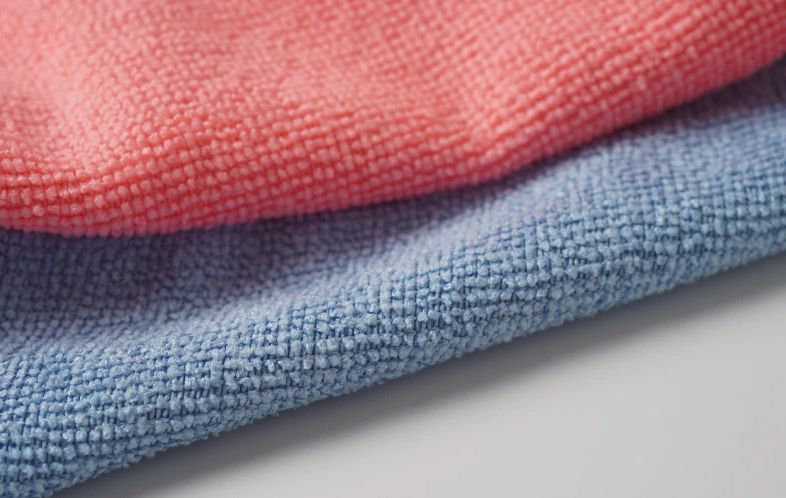
What Is Synthetic Fabric? Understand Its Characteristics and Applications Across Various Industries
Almost every day we use products made from synthetic fabrics, ranging from sportswear and bags to home interiors. However, many still believe that all synthetic fabrics share the same characteristics or are simply synonymous with polyester. In reality, this material comes in various types, each offering distinct advantages tailored to specific usage needs.
So, what exactly is synthetic fabric, what are its key characteristics, and why has it become a preferred choice across various industries? Read the following explanation to find out.
What Is Synthetic Fabric?
Synthetic fabric is a material made from man-made engineered fibers produced through manufacturing processes. Most synthetic fibers are derived from petrochemical-based polymers, which are then processed into yarns before being woven or knitted into fabric.
Unlike natural fibers such as cotton or linen, synthetic fabrics are designed to deliver specific performance qualities, such as higher durability, lightweight feel, quick-drying properties, or wrinkle resistance. Due to this flexibility, synthetic fabrics are widely utilized across the textile, automotive, home textile, and technical fabric industries.
Commonly Used Types of Synthetic Fabrics
Some of the most widely used types of synthetic fabrics include:
Polyester: Known for being durable, wrinkle-resistant, and easy to care for.
Nylon: Offers excellent abrasion resistance, making it a popular choice for bags, outdoor wear, and sports gear.
Acrylic: Delivers a look and texture similar to wool while remaining lightweight.
Spandex (Elastane): Features high elasticity and is commonly blended with other fibers to enhance fabric flexibility.
Each type possesses distinct characteristics, meaning selection should be tailored to the function of the final product.
Characteristics of Synthetic Fabrics
The popularity of synthetic fabrics stems from the numerous advantages they offer. Key characteristics include:
High Durability
Synthetic fibers are engineered to withstand repeated use, friction, and shape distortion. This characteristic makes them ideal for products requiring a longer lifespan.
Also read: Advanced Carding Machines for the Textile Industry: Faster, Cost-Effective, and Precise
Easy Care
Compared to many natural fibers, synthetic fabrics are generally wrinkle-resistant, quick to dry after washing, and hold their shape well. This helps reduce daily maintenance requirements.
Flexible for Various Needs
Through developments in textile technology, synthetic fabrics can be produced with various additional features, such as being lighter, stretchable, water-resistant, or moisture-wicking. This flexibility enables their use across a wide range of industrial sectors.
Applications of Synthetic Fabrics Across Various Industries
Thanks to their unique characteristics, synthetic fabrics have become one of the most widely used materials across multiple sectors.
Fashion Industry
In the fashion industry, synthetic fabrics are used for casual wear, activewear, outerwear, and work uniforms because they offer a balance of comfort, durability, and low maintenance.
Home Textiles
Products such as curtains, sofa upholstery, bedsheets, bed covers, and carpets utilize synthetic fabrics because they retain color well, endure long-term wear, and are relatively easy to clean.
Automotive and Technical Industries
Synthetic fabrics are also extensively applied to vehicle seating, interior trim, seat belts, bags, tents, and various technical textiles that require strength and material stability.
Why Synthetic Fabrics Are Widely Used
The demand for synthetic fabrics continues to grow because they meet the requirements of various industries seeking high-performance materials. Beyond offering durability and maintenance efficiency, technological advancements enable manufacturers to develop synthetic fabrics with increasingly specific characteristics suited to precise application needs.
Today, synthetic fabric is recognized not only for its strength, but also for its ability to adapt to diverse requirements—from fashion and home textiles to automotive and technical fabrics. By understanding the characteristics of each synthetic fiber type, you can select the most suitable material based on desired functionality, comfort, and performance.