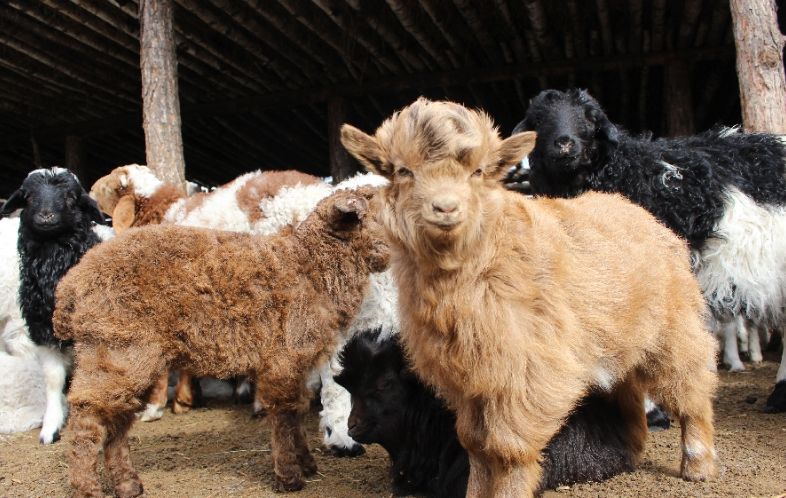
Getting to Know Cashmere Fabric: Characteristics, Pros, and Cons
Have you ever seen a sweater or scarf with a cashmere label and wondered what sets it apart from standard wool? Its exceptionally soft texture and premium price...
LEARN MORE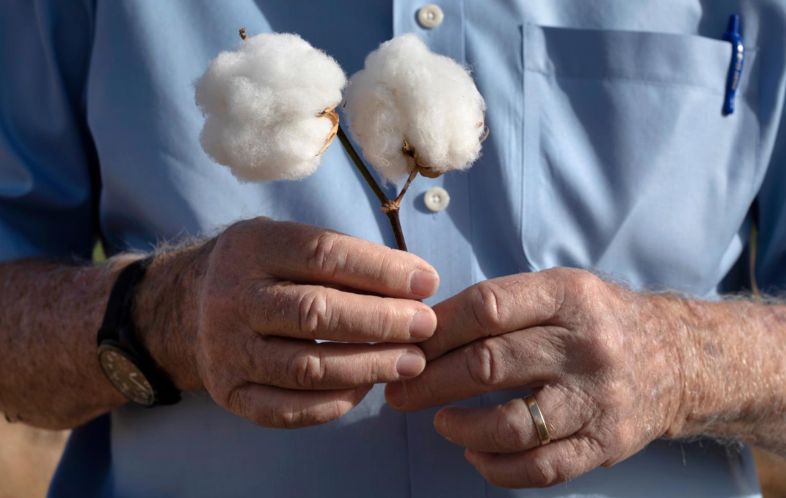
U.S. Cotton in the Textile Industry: Consistency, Quality, and Sustainability
In the textile industry, raw material selection is a crucial factor that determines process consistency and yarn quality. U.S. Cotton has become a widely used c...
LEARN MORE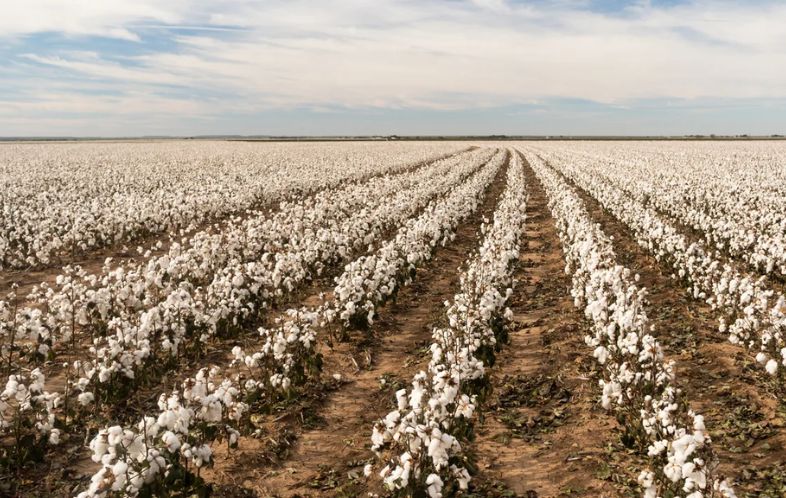
Why Does Cotton Vary by Region? Understanding the Impact of Climate and Soil
Cotton may appear simple once it is transformed into fabric. However, before reaching the spinning and weaving stages, cotton fibers undergo a long process heav...
LEARN MORE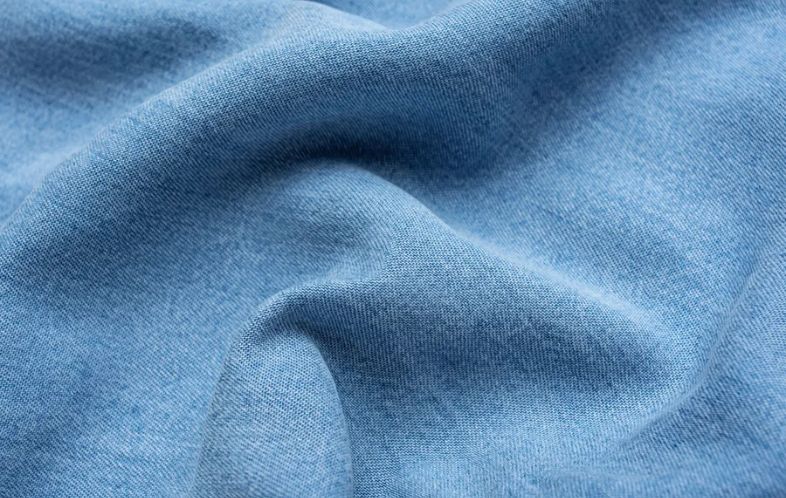
TENCEL™ Lyocell vs TENCEL™ Modal: What's the Difference and Which is More Comfortable?
When choosing textile materials, many people assume that all TENCEL™ fibers share the exact same characteristics. In reality, TENCEL™ Lyocell and TENCEL™ Modal...
LEARN MORE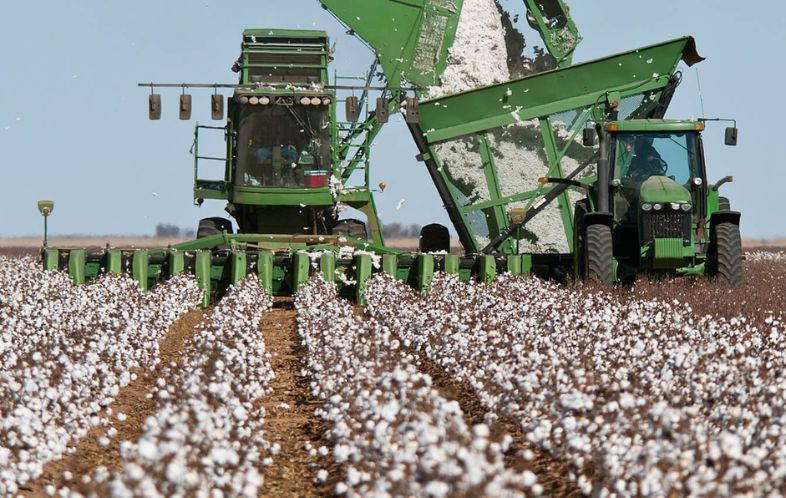
Top Cotton-Producing Countries in the World: Which Has the Highest Quality?
Not all cotton delivers the same textile results. Before becoming yarn, fabric, or garments, product quality is already influenced by the characteristics of the...
LEARN MORE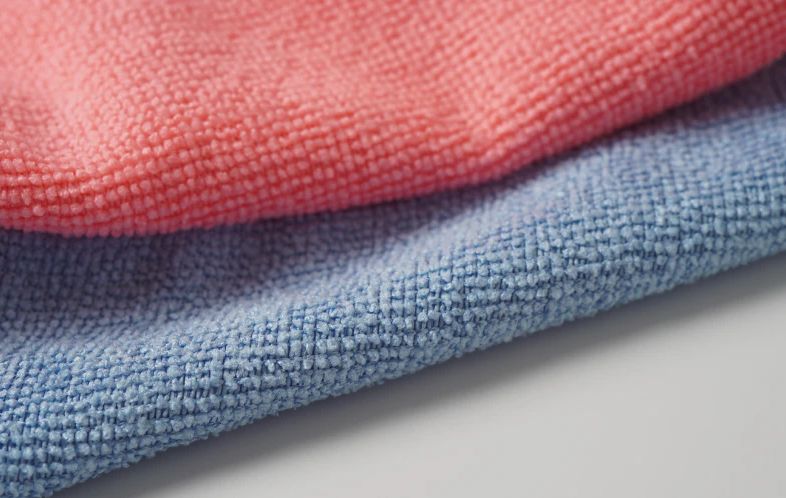
What Is Synthetic Fabric? Understand Its Characteristics and Applications Across Various Industries
Almost every day we use products made from synthetic fabrics, ranging from sportswear and bags to home interiors. However, many still believe that all synthetic...
LEARN MORE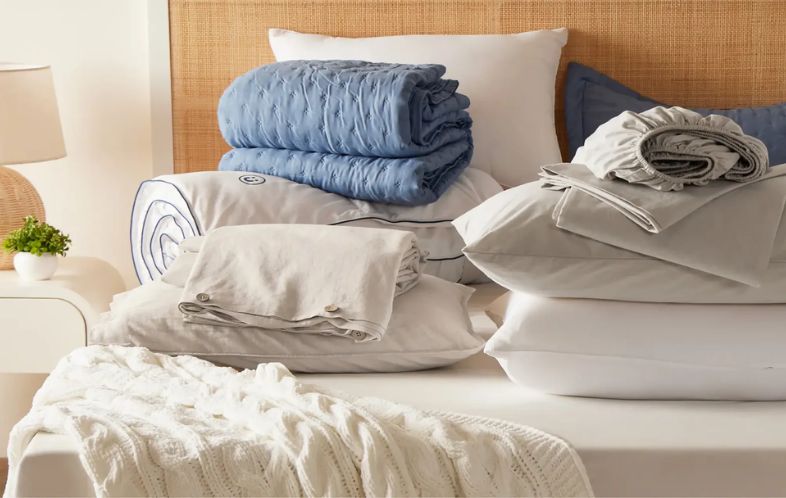
5 Recommended Fabric Materials for Comfortable and Durable Bedding
Sleep comfort isn't just determined by your mattress or pillow, but also by the fabric materials used for your bedding. The right material helps regulate body t...
LEARN MORE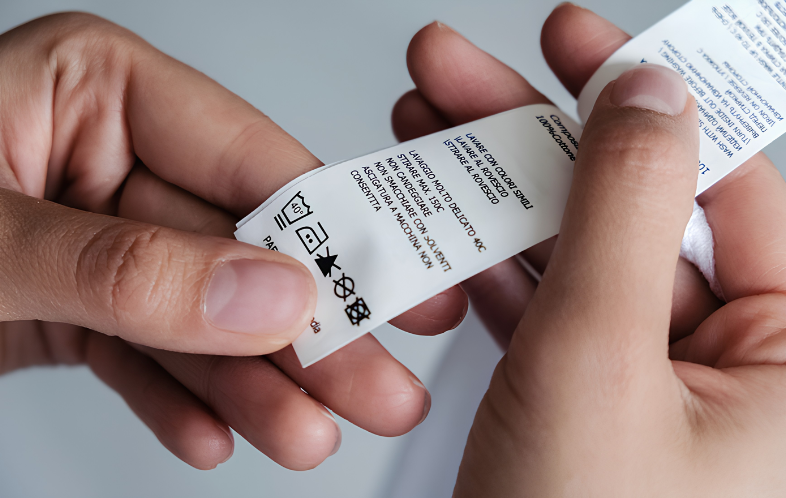
Types of Care Labels on Clothing and How to Choose the Right One
Every textile product is designed to be used for a long period of time. However, fabric quality is determined not only by its production process, but also by ho...
LEARN MORE
Here is the Correct Way to Wash Organic Cotton Clothing to Keep It Looking Like New
Have you ever felt your organic cotton clothes quickly become dull, stretched out, or lose their softness after just a few washes? Even though they initially fe...
LEARN MORE
Not for Hardening the Fabric, This is the Function of Tapioca Starch in the Weaving Process
In the weaving process, it turns out there is one simple ingredient that plays a vital role in determining the quality of greige fabric: tapioca starch (starch)...
LEARN MORE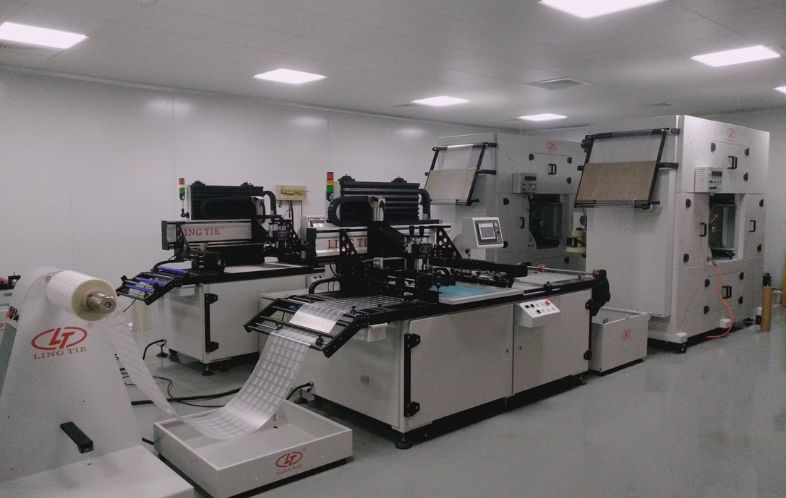
Don't Make the Wrong Choice! Get to Know 4 Types of Screen Printing Suitable for Woven Fabrics
Choosing the right type of screen printing is just as important as choosing the fabric itself. This is especially true for woven fabrics, which have different c...
LEARN MORE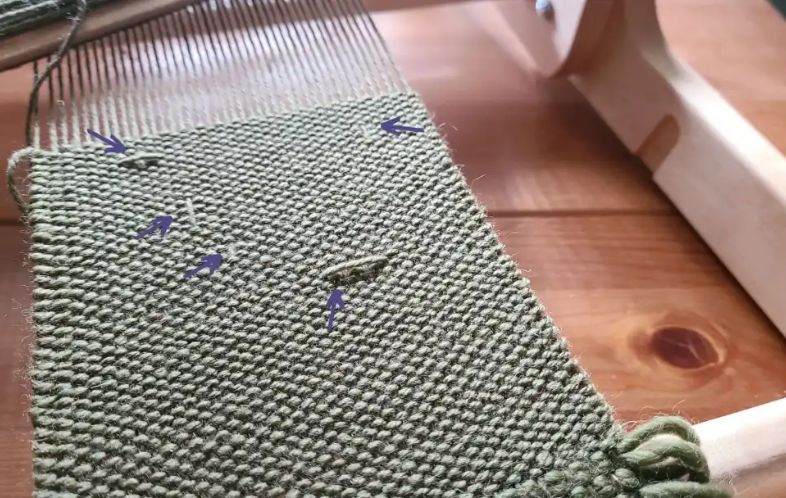
Warp vs. Weft: What is the Difference and Why Do They Matter in Woven Fabrics?
When looking at a piece of fabric, many people only notice the color, pattern, or texture. In fact, the quality and character of a fabric are highly determined...
LEARN MORE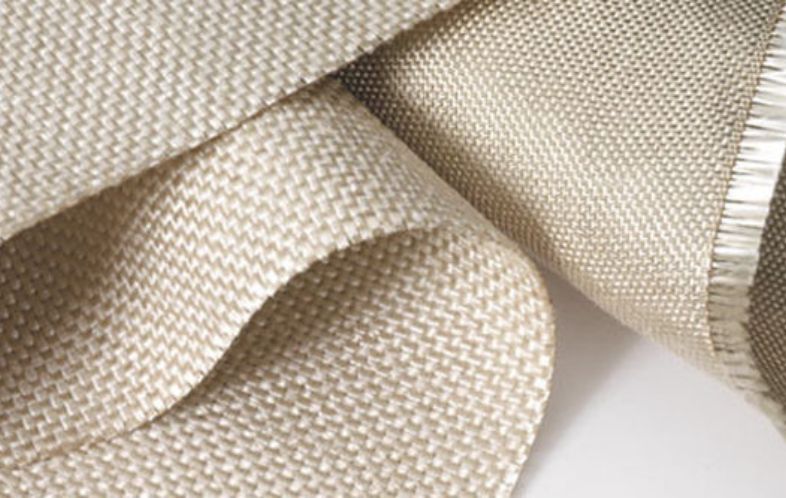
7 Ways to Choose Quality Fabric for Your Fashion Business
Starting a fashion business requires more than just relying on attractive designs or following the latest trends. Many brands face challenges after production i...
LEARN MORE
Why Is Cotton Better at Preventing Body Odor Compared to Other Fabrics?
Have you ever felt confident in the morning, only to suddenly worry about body odor by midday even after applying deodorant? The issue may not be your body, but...
LEARN MORE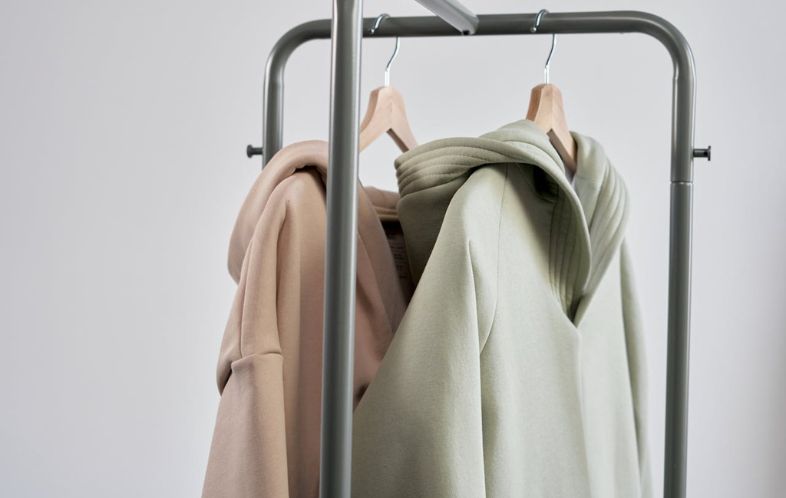
Thick vs. Thin: What Truly Determines Fabric Quality?
Have you ever touched a fabric in a store and immediately thought, "Wow, this is thick, it must be good"? Almost everyone does it, including those in the textil...
LEARN MORE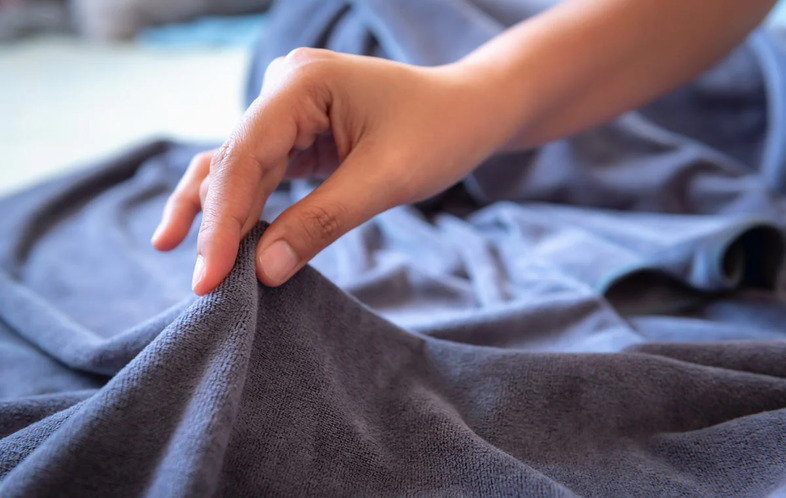
What GSM is Best for T-Shirts? A Complete Guide for Local Brands
Have you ever noticed how two T-shirts with similar designs can feel completely different when worn? One feels light and breathable, while the other feels thick...
LEARN MORE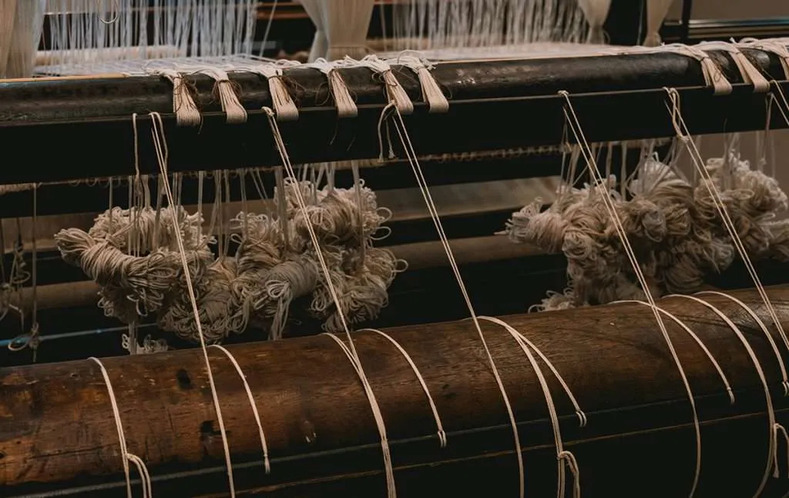
Shuttle Loom: Definition, Working Mechanism, and Its Role in the Modern Textile Industry
Amid the rapid advancement of technology in the textile industry, many modern machines have emerged with high speed and efficiency. Interestingly, not all indus...
LEARN MORE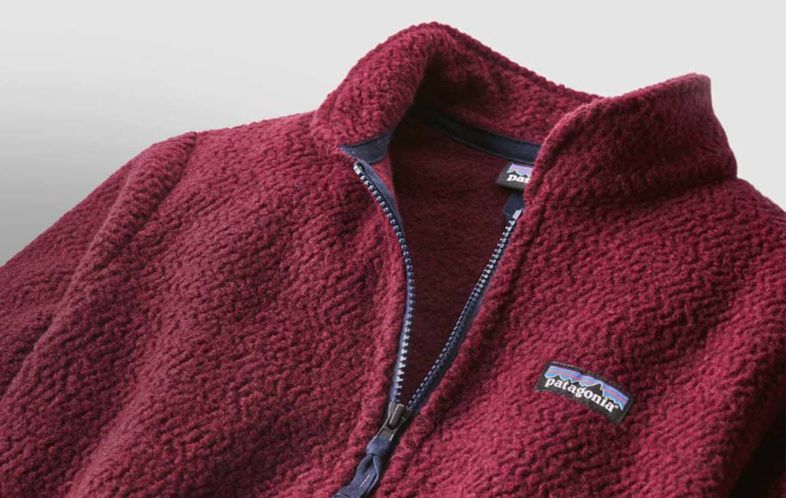
Mengenal Bahan Cotton Fleece: Karakteristik, Jenis, dan Cara Merawatnya
Have you ever held a hoodie or sweatshirt and immediately felt a warm, soft, yet lightweight sensation in your hands? Chances are, that product uses cotton flee...
LEARN MORE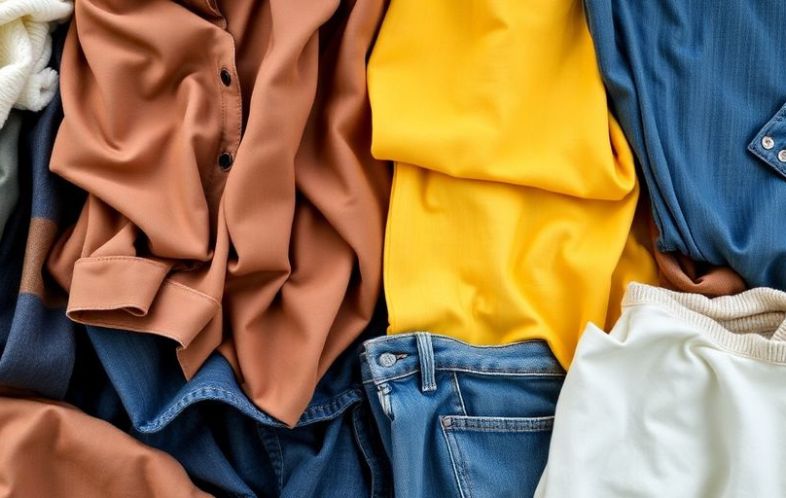
What Is the Garment Industry? Check Out Garment Facts and the Differences Between Textiles & Convection
How does a raw piece of fabric transform into the crisp shirt you are wearing to work today? Behind the comfort of our clothing lies a vast, tireless ecosystem....
LEARN MORE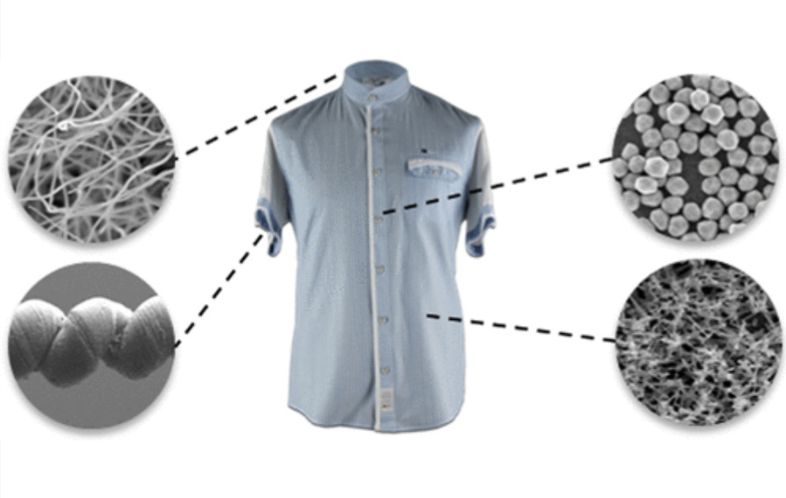
Is Your Brand Still Using Ordinary Fabrics? Here Are 6 Textile Innovations Already Used by Competitors
Amidst the tightening competition in the fashion and manufacturing industries, one thing is becoming clear: textile innovation is no longer an option, but a nec...
LEARN MORE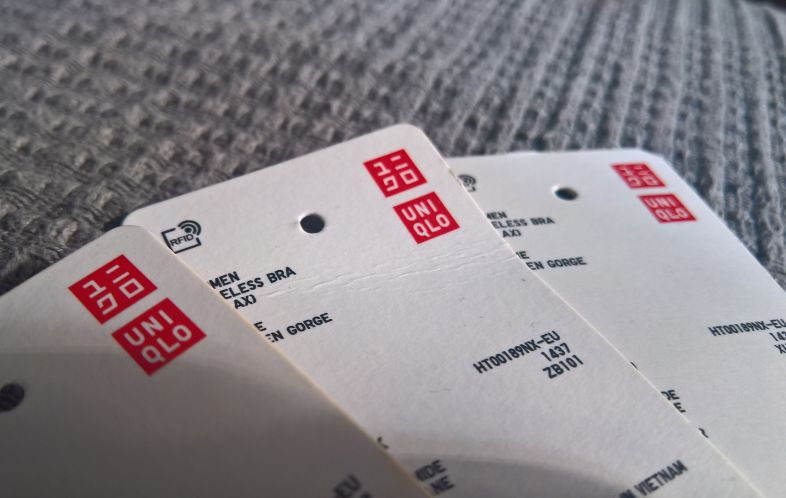
Hang Tag in Textile Products: A Real Role in Enhancing Trust and Brand Value
Have you ever seen a textile product with great quality, but it felt "unconvincing" at first glance? In many cases, the problem isn't the product itself, but ra...
LEARN MORE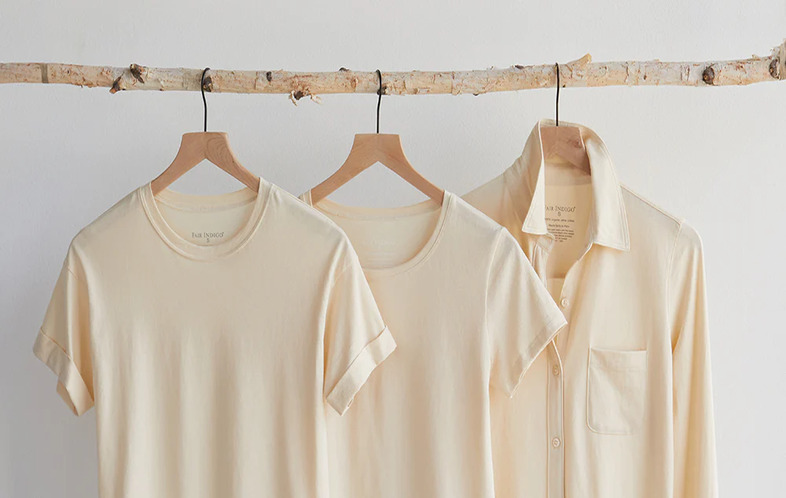
Many People Don’t Know! Here’s Why Cotton Remains the Go-To for Everyday Clothing
Have you ever worn something that just feels “right”—not too hot, not stuffy, and comfortable all day long? Without realizing it, chances are that fabric is cot...
LEARN MORE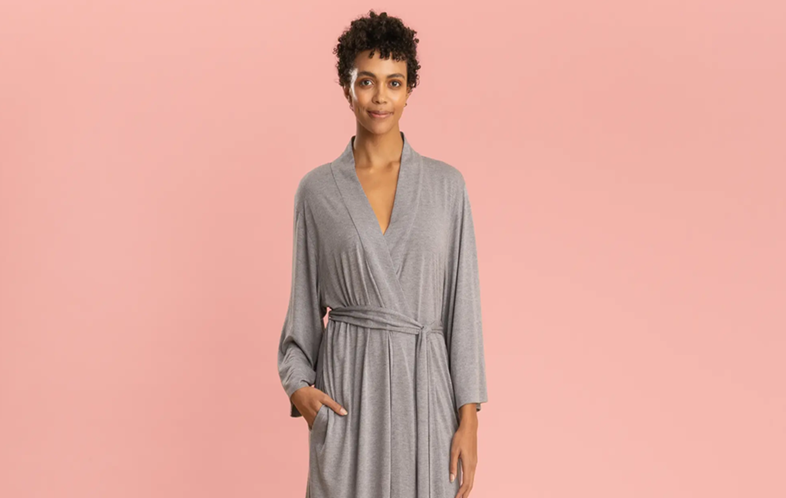
Not Just T-Shirts! Here Are 7 Products Made from Cotton Yarn
Cotton yarn is one of the most essential materials in the textile industry. Made from natural cotton fibers, it is known for being soft, skin-friendly, and high...
LEARN MORE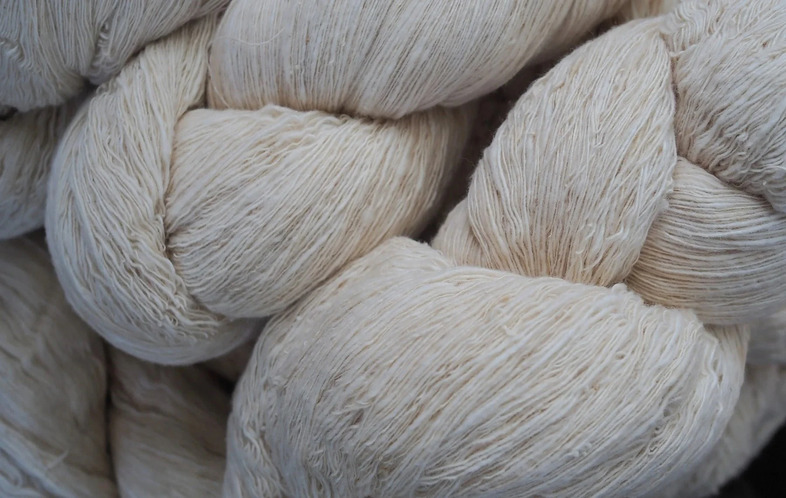
Here’s How the Textile Industry Determines Cotton Yarn Quality Standards
In the textile industry, yarn quality serves as the foundation that determines the overall quality of fabrics and final products such as garments, home textiles...
LEARN MORE
Why Clothes with Polyester Blends Don’t Stretch Out Easily? Here’s the Secret
Have you ever owned a piece of clothing that still looks neat even after being worn and washed multiple times? Meanwhile, other garments quickly stretch out and...
LEARN MORE
Don’t Iron Carelessly! A Safe Temperature Guide for Caring for Synthetic Fabrics
Synthetic clothing has become increasingly popular due to its lightweight feel, wrinkle resistance, and easy maintenance. However, many people still make mistak...
LEARN MORE
The Secret Behind High-Performance Cotton Sportswear with TransTechnology
When talking about sportswear, most people immediately think of synthetic materials like polyester or nylon. Cotton is often considered less ideal because it ea...
LEARN MORE
Not Just Comfortable: Why 100% Cotton Is Essential for Eczema and Sensitive Skin
Itchy, red, or burning skin is a common concern for many people—especially those with eczema and sensitive skin. While many have tried various skincare products...
LEARN MORE
Types of Men’s Shirt Fabrics and Their Differences: Which One Is the Most Comfortable?
Choosing a men’s shirt often seems simple. The designs look similar, the colors vary, and everything appears neat when worn. However, have you ever felt that so...
LEARN MORE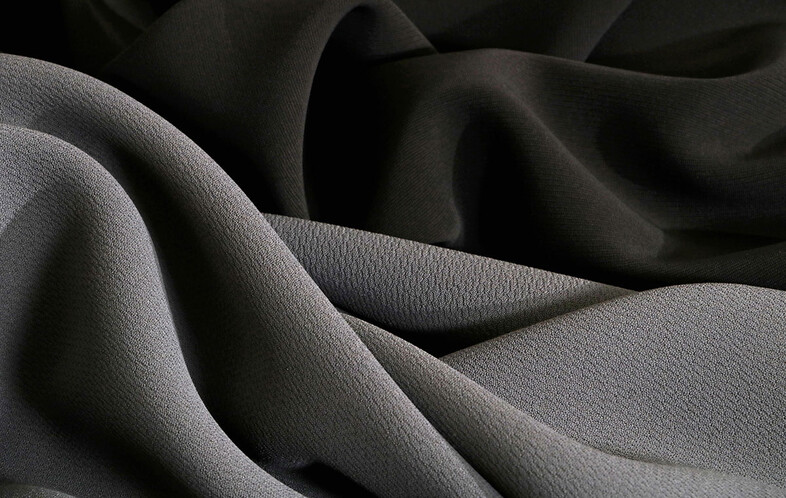
Same Polyester, So Why Do Some Feel Hot While Others Feel Cool?
Have you ever worn two polyester garments but experienced completely different levels of comfort? One may feel hot, damp, and uncomfortable, while another feels...
LEARN MORE
Clothes Stay Clean Longer? Nanotextile Technology Might Be the Answer!
Have you ever spilled coffee or sauce on your clothes and immediately worried the stain would be difficult to remove? In today’s modern textile industry, this p...
LEARN MORE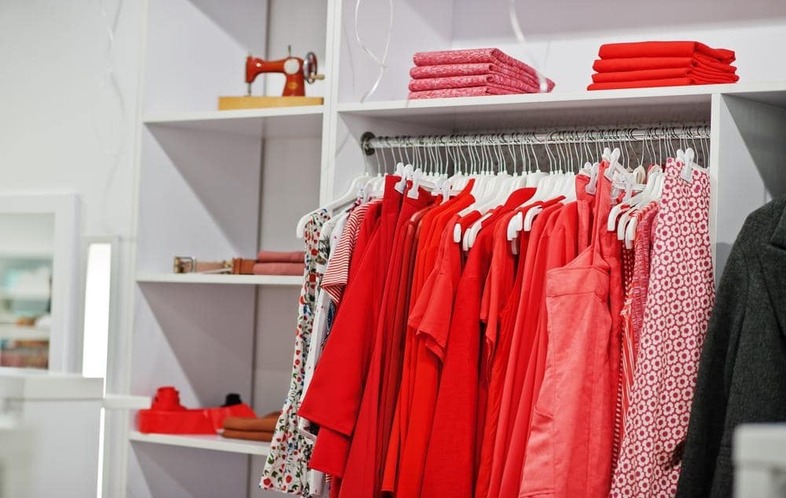
The Secret to Long-Lasting Fabric Colors Even After Repeated Washing
Have you ever noticed that a favorite fabric that once looked vibrant starts to fade after just a few washes? Don’t worry—color fading is a common issue experie...
LEARN MORE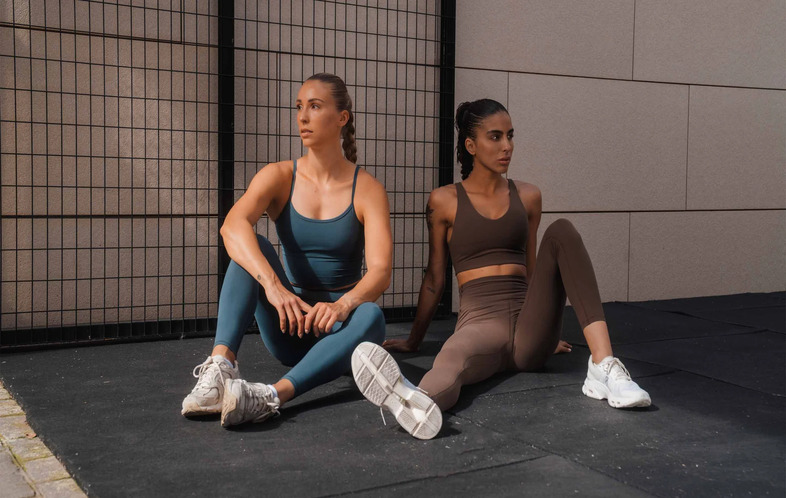
Sportswear Smells & Feels Hot Fast? The Importance of Choosing the Right Fabric
Have you ever noticed that your sportswear starts to smell unpleasant and feel hot after just a short workout? Many people assume it’s simply due to sweat or hy...
LEARN MORE
Organic Cotton in 2026: Opportunities for Sustainable Fashion Brands
Organic cotton is becoming a key material in sustainable fashion. This article explores what organic cotton is, how it differs from conventional cotton, its ben...
LEARN MORE
7 Unique Types of Yarn in the Textile Industry You May Not Know
Did you know that the world of textile yarn goes far beyond cotton and polyester? When exploring textiles, you will discover a wide range of unique yarn types,...
LEARN MORE
Don’t Choose Carelessly! The Wrong Fabric Can Irritate Your Baby’s Skin
Choosing baby clothing fabric should never be taken lightly. A baby’s sensitive skin needs soft, breathable, and safe cotton fabric. This article explains the b...
LEARN MORE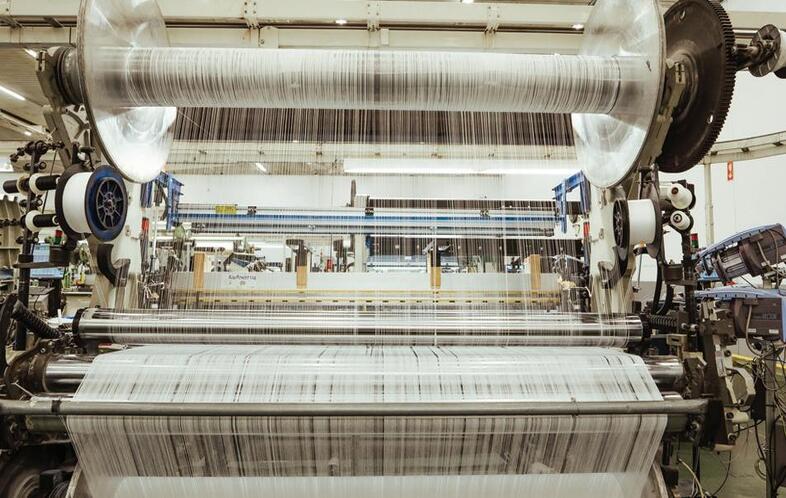
Weaving in Textiles: Definition, Process, and Functions Explained
This article explains the definition of weaving, its basic process, and its functions in the textile industry. Presented in a clear and concise way, it helps yo...
LEARN MORE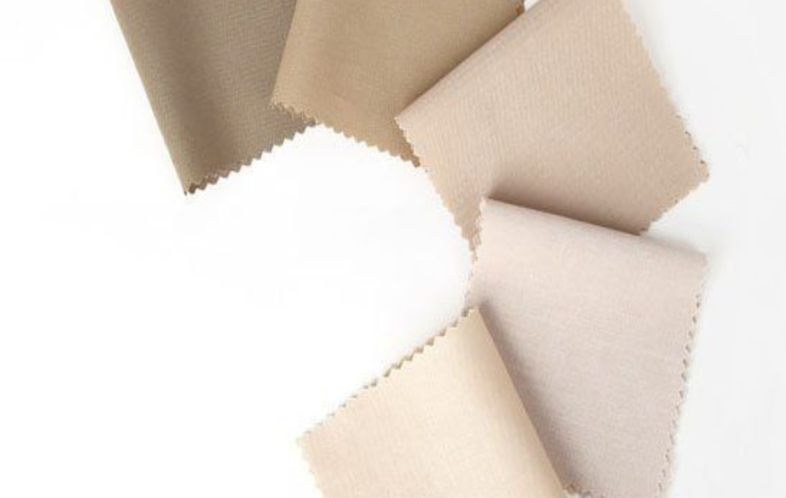
The Differences Between 20S, 24S, and 30S Yarn in the Textile Industry
This article explains the differences between 20S, 24S, and 30S yarn in the textile industry, covering thickness, comfort, and applications. By understanding ea...
LEARN MORE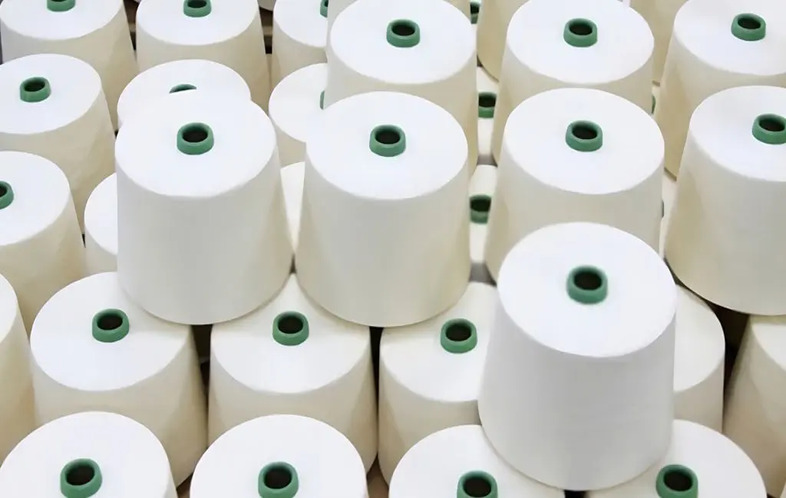
5 Easy Ways to Check Whether Cotton Combed Is Real or Fake
Discover 5 easy ways to check the authenticity of cotton combed to avoid choosing the wrong material. From texture and fiber inspection to water absorbency and...
LEARN MORE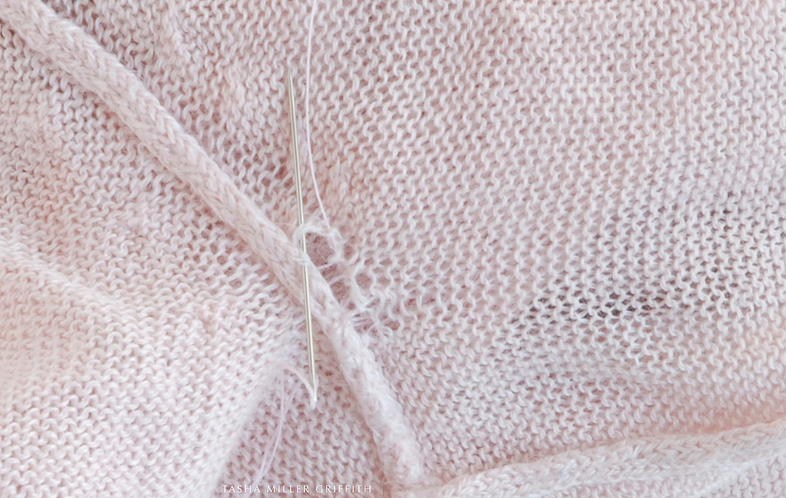
Common Issues in Knitted Fabric (Fabric Defects) and How to Prevent Them
This article explores common knitted fabric defects found in textile production, covering defect types, technical causes, and effective prevention methods. By u...
LEARN MORE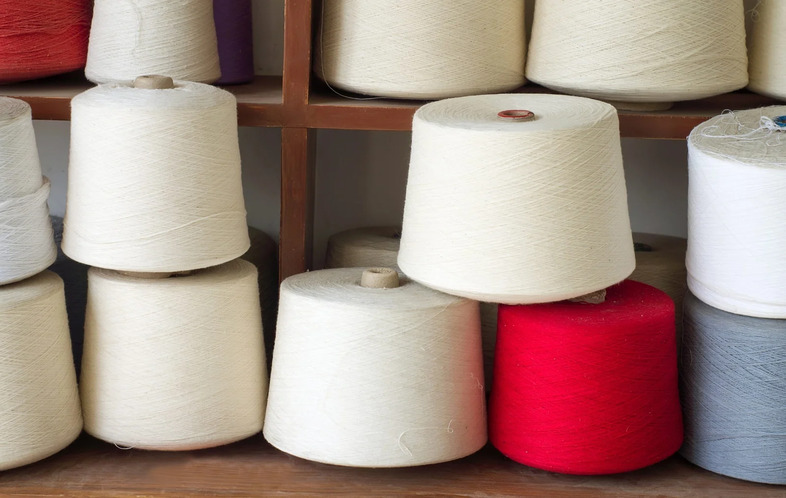
Understanding Yarn Count: A Standard of Yarn Measurement You Need to Know
This article explains yarn count as a standard yarn measurement in the textile industry. It covers direct and indirect measurement systems and their application...
LEARN MORE
The Role of Medical Textiles in Maintaining Hospital Safety and Hygiene
This article explores the crucial role of medical textiles in maintaining hospital safety and hygiene. It covers material types, key performance characteristics...
LEARN MORE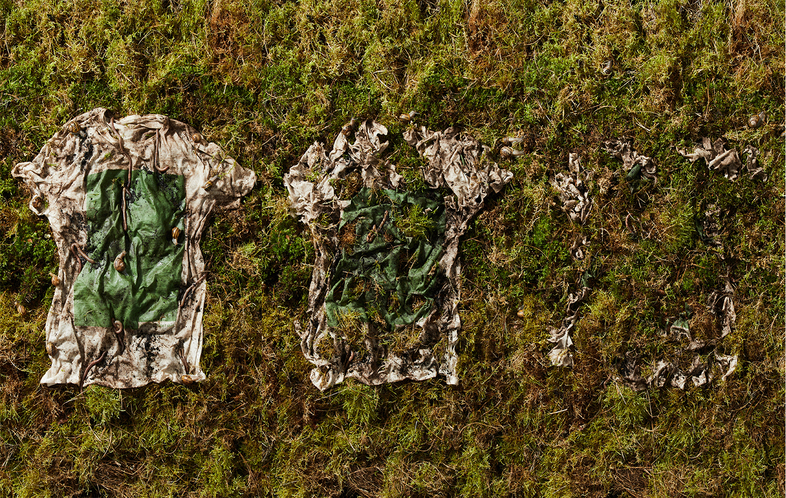
What Is Biodegradable Fabric? Definition, Types, and Benefits
This article explains what biodegradable fabric is, its main types, and its benefits for a more sustainable textile industry. By understanding naturally degrada...
LEARN MORE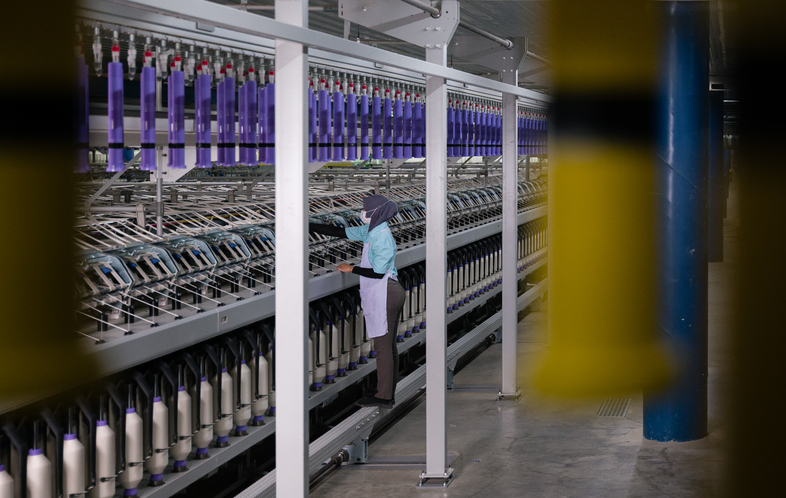
Strategies Used by Textile Factories to Prevent Fabric Defects Before Finishing
This article explores key strategies used by textile factories to prevent fabric defects before the finishing process. From raw material inspection and integrat...
LEARN MORE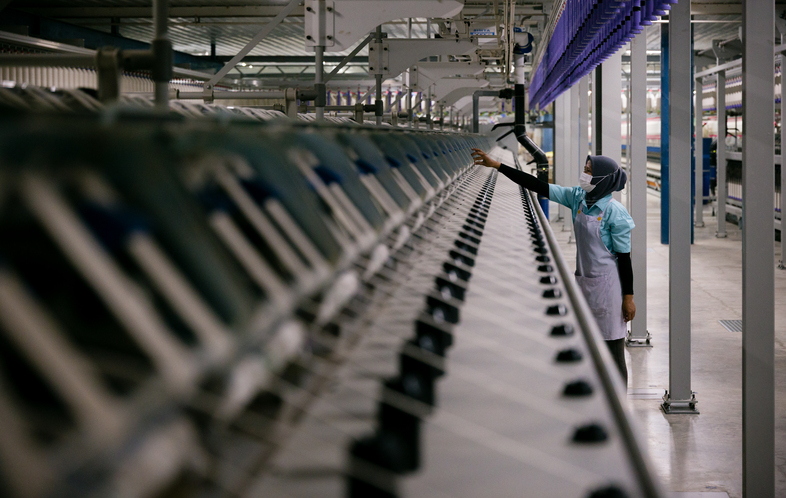
Global Yarn Mill Benchmarking: Production Standards, Technology, and Efficiency
This article explores global yarn mill benchmarking as a strategic approach to improving production standards, technology adoption, and operational efficiency....
LEARN MORE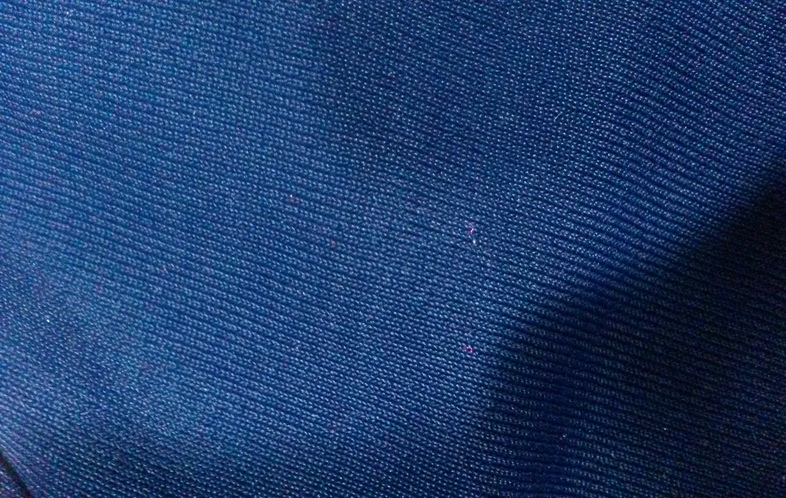
Functional Fabrics for Sportswear: Types, Technologies, and Benefits
This article explores functional fabrics for sportswear, covering their types, technologies, and key benefits. Learn how features such as moisture-wicking, brea...
LEARN MORE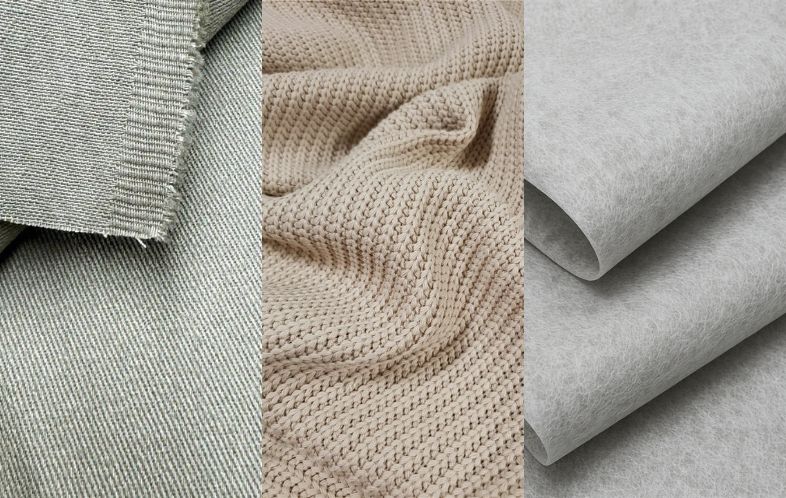
Types of Woven, Knitted, and Non-Woven Fabrics: Differences, Advantages, and Applications
This article explains the differences between woven, knitted, and non-woven fabrics, covering their structures, advantages, and applications. A practical guide...
LEARN MORE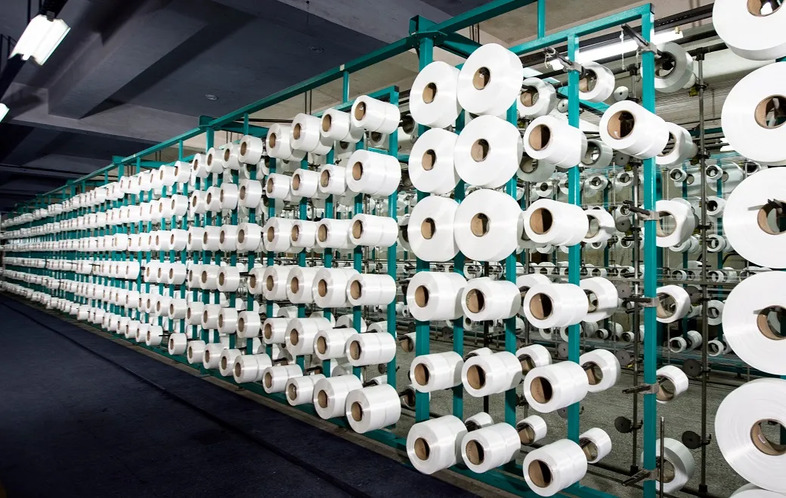
The Role of Yarn Quality in Maintaining Supply Chain Stability in the Textile Industry
This article explores the critical role of yarn quality in maintaining supply chain stability within the textile industry. From production efficiency to final p...
LEARN MORE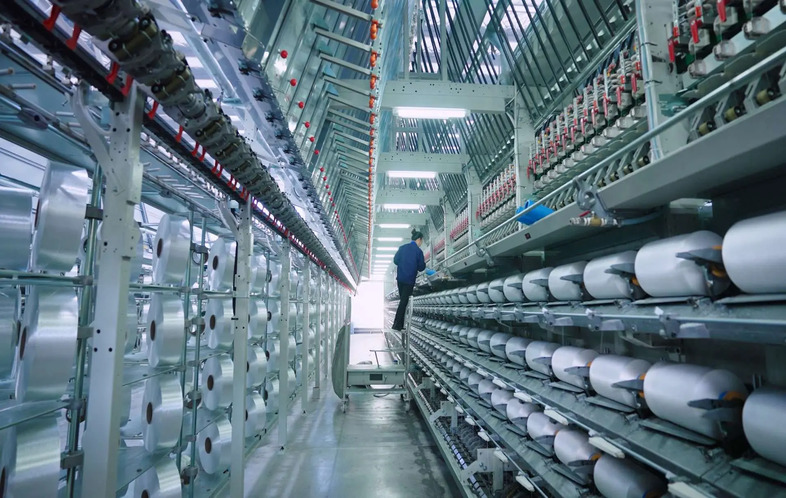
Industries That Rely on High-Quality Polyester Yarn
This article explores key industries that rely on high-quality polyester yarn, including textiles, apparel, automotive, and construction. It highlights technica...
LEARN MORE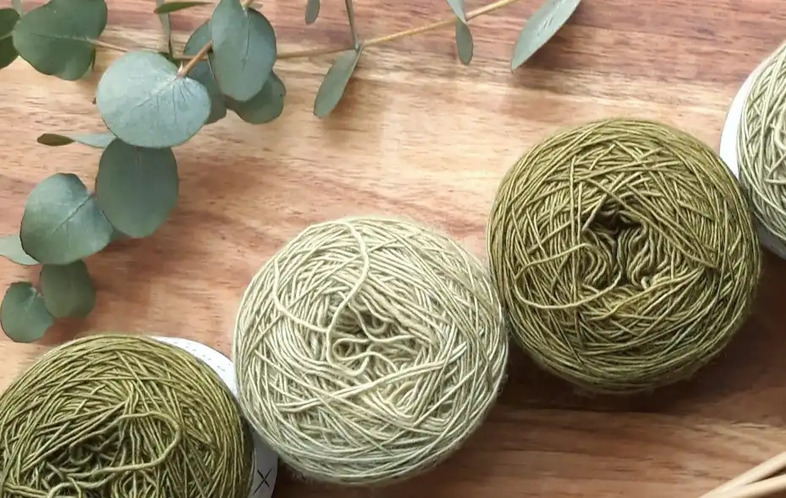
7 Types of Eco-Friendly Yarn Suitable for the Textile Industry
This article explores 7 types of eco-friendly yarn suitable for sustainable textile industries. From organic cotton to recycled yarn, we highlight key character...
LEARN MORE
Rayon Fiber Origins Manufacturing Process and Key Advantages for Textiles
This article explores the origin of rayon fiber, from its early development to the manufacturing process using regenerated cellulose. We also highlight the key...
LEARN MORE