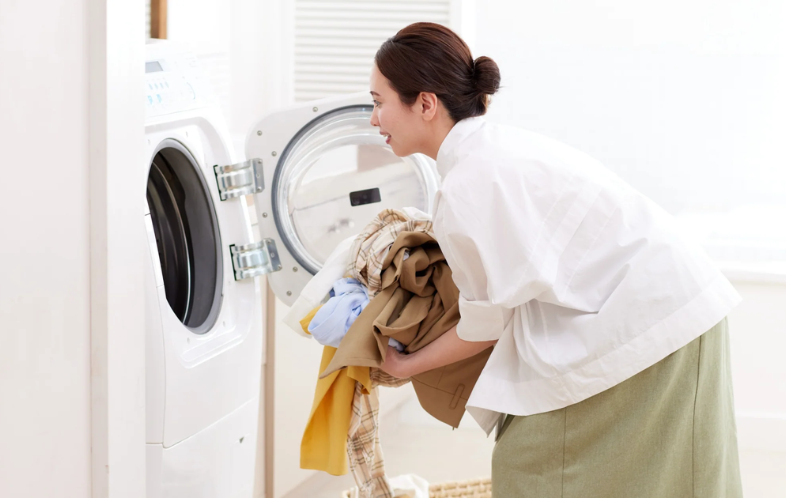
Here is the Correct Way to Wash Organic Cotton Clothing to Keep It Looking Like New
Have you ever felt your organic cotton clothes quickly become dull, stretched out, or lose their softness after just a few washes? Even though they initially felt premium and comfortable to wear. This often happens not because of poor fabric quality, but due to improper care. As a natural material, organic cotton requires special treatment to stay durable, soft, and maintain its fiber quality. Here, we have summarized the correct way to wash organic cotton clothing so your clothes stay looking like new for longer.
Understanding the Characteristics of Organic Cotton
More sensitive natural fibers
Organic cotton is cotton grown without synthetic pesticides and processed in a more environmentally friendly way. According to various sustainable textile industry guides such as the Organic Cotton Accelerator and OEKO-TEX standards, natural fibers like this tend to be more sensitive to heat, friction, and harsh chemicals.
Why is care so important?
Because it does not go through excessive chemical finishing processes like conventional cotton, organic cotton is more prone to:
Shrinking if exposed to hot water
Pilling due to excessive friction
Fading if the detergent is too harsh
Stretching out if the drying method is incorrect
The Correct Way to Wash Organic Cotton Clothing
Separate from rough clothing
We recommend separating organic cotton from materials like jeans or towels. Friction from rough fabrics can accelerate damage to the textile fibers.
Use cold water or low temperature
Wash with water at a temperature of 20–30°C. Hot water can cause shrinkage and weaken the fiber structure.
Choose a mild detergent
Use a mild or eco-friendly detergent. Avoid bleach and harsh chemicals as they can ruin the color and texture of the fabric.
Use gentle mode
If using a washing machine, select the "delicate" or "gentle wash" mode. For the best results, the hand wash method remains the safest choice.
Avoid detergents containing OBAs
Choose a detergent that is free of Optical Brightening Agents (OBAs). These agents can leave a residue layer on the fabric fibers, reducing the natural appearance and softness of organic cotton in the long run.
Read also: Is 100% Cotton Fabric Good or Bad? Check out the Facts Before You Buy
How to Dry Organic Cotton so It Doesn't Get Damaged
Avoid direct sunlight
Excessive exposure to sunlight can cause colors to fade quickly. We advise you to line-dry clothes in a shaded area with good air circulation.
Do not wring too tightly
Wringing too hard can damage the fiber structure. Simply press gently to reduce water before hanging or laying flat to dry.
How to Store Organic Cotton Clothing Properly
Ensure it is completely dry
Store only when the garment is completely dry to prevent mold and unpleasant odors.
Fold, don't hang for the long term
For organic cotton knit or jersey materials, storing them folded is safer to prevent stretching at the shoulders.
Store in a dry place
Use a closet with good ventilation and add silica gel if necessary to control moisture.
Additional Tips for Longer-Lasting Organic Cotton
Reduce washing frequency
Not every wear requires an immediate wash. You can air out the clothes instead to preserve the fibers.
Avoid high ironing temperatures
Use low to medium heat settings so the fibers do not get damaged.
Rotate usage
Rotating your wardrobe helps maintain the shape and quality of the fabric for a longer time.
Caring for organic cotton clothing is actually not difficult, as long as you understand the characteristics of its natural fibers. With the right washing, drying, and storage techniques, your clothes will remain comfortable, soft, and look like new for a longer period of time.