Getting to Know Cashmere Fabric: Characteristics, Pros, and Cons
Have you ever seen a sweater or scarf with a cashmere label and wondered what sets it apart from standard wool? Its exceptionally soft texture and premium price tag make cashmere a fascinating material to explore. However, behind its luxurious appeal lie specific characteristics and care requirements you should know about.
Check out the details below.
What Is Cashmere Fabric?
Cashmere Comes from the Undercoat of Cashmere Goats
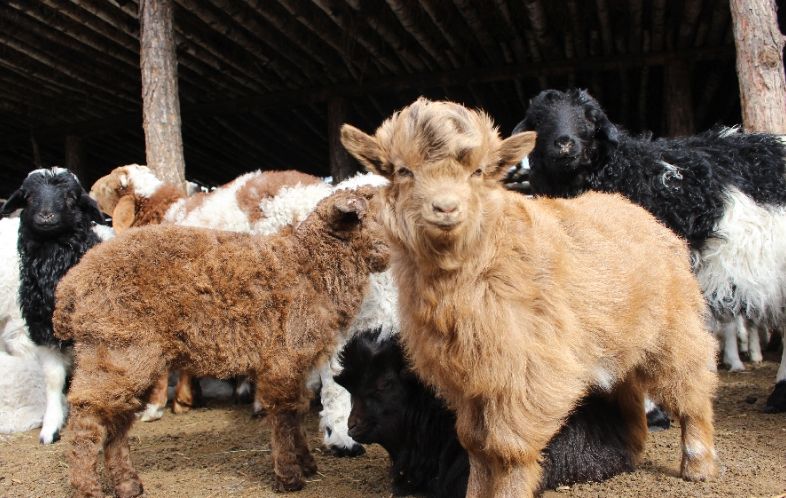
Cashmere is a natural protein-based fiber derived from the undercoat of cashmere goats. These goats are predominantly found in regions with cold, dry climates, including Mongolia, China, and Afghanistan. This soft undercoat serves as natural insulation to help the goats endure extremely low temperatures.
Unlike the coarser outer guard hair, cashmere fibers feature an extremely fine diameter. According to the SFA, cashmere fiber diameters typically range between 15 and 19 microns, making it remarkably soft and comfortable against the skin.
Characteristics of Cashmere Fabric
Soft, Lightweight, and Exceptionally Warm
One of the defining characteristics of cashmere is its incredibly soft texture. The fineness of the fibers ensures high comfort for garments worn directly next to the skin.
Despite being lightweight, cashmere possesses excellent thermal insulation properties, providing warmth without adding excessive weight or bulk. Additionally, cashmere exhibits good elasticity and shape retention when processed into apparel or accessories.
Quality Is Determined by Several Factors
Not all cashmere offers the same level of quality. Fineness, fiber length, color, and crimp rate are key factors that influence its overall grade. Longer fibers generally produce stronger yarns and garments that are significantly more resistant to pilling.
Read also: Getting to Know Tencel Lyocell, a Comfortable and Sustainable Textile Fiber
Advantages of Cashmere Fabric
Comfortable and Premium Feel
The most immediately noticeable advantage of cashmere is its exceptional softness and comfort. Its fine fibers make it an ideal choice for sweaters, cardigans, scarves, and a wide variety of knitwear.
Furthermore, cashmere has an elegant look and luxurious hand feel. It also absorbs dyes exceptionally well, retaining vibrant colors over time when processed and cared for properly.
Warmth Without the Heavy Weight
For those seeking warmth without heavy layering, cashmere is an outstanding choice. The unique structure of its fibers allows garments to offer superior insulation without needing to be thick or heavy.
Disadvantages of Cashmere Fabric
Requires Extra Care
Despite its many benefits, the main drawback of cashmere is its need for delicate care. Fine fibers are more susceptible to losing shape or pilling, particularly if shorter fibers were used or if the garment experiences frequent friction.
Therefore, paying close attention to garment care labels—including proper washing, drying, and storage instructions—is essential.
Higher Price Point
Cashmere is recognized as a premium material, meaning its price is generally higher than most standard wool varieties. However, price alone is not the sole indicator of quality. Fiber length, fineness, color, manufacturing processes, and raw material sourcing all contribute to the final product's standard.
How to Choose High-Quality Cashmere?
Check the Composition and Sourcing
When purchasing cashmere products, look beyond the brand label or price tag. Inspect the material composition to determine whether it is 100% cashmere or a blend with other fibers.
You can also consider information regarding material sourcing and production ethics. Today, industry standards increasingly emphasize animal welfare, environmental impact, fiber quality, and fair working conditions within the supply chain. For example, the SFA Animal Fibre Standard, effective from April 2025, encompasses principles of animal welfare, biodiversity, land use, decent work, fiber quality, and responsible production management.
So, Is Cashmere Worth Choosing?
If you prioritize soft, lightweight, warm, and luxurious fabrics, cashmere certainly offers numerous advantages. However, you should also weigh these benefits against its higher cost and maintenance needs.
Interested in learning more about premium fashion fabrics? Take a look at your current wardrobe—which pieces feel the most comfortable, and do their material labels truly match the characteristics you're looking for?