
Cotton for Sleepwear: Is It Really Comfortable for Sleeping?
When you sleep, the clothes you wear play a role in determining how comfortably your body rests. Fabrics that are too hot, feel rough, or fail to manage moisture effectively can certainly disrupt your comfort. That is why cotton remains one of the most widely used materials for sleepwear.
However, what actually makes cotton suitable for sleepwear? Do all types of cotton offer the same level of comfort?
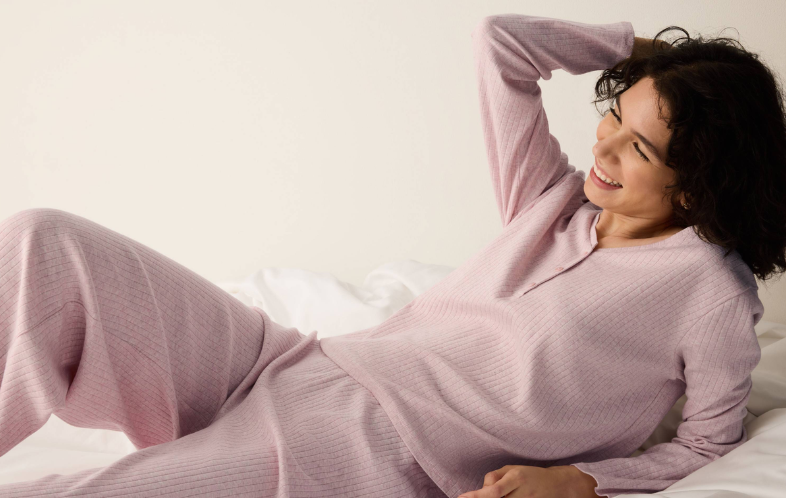
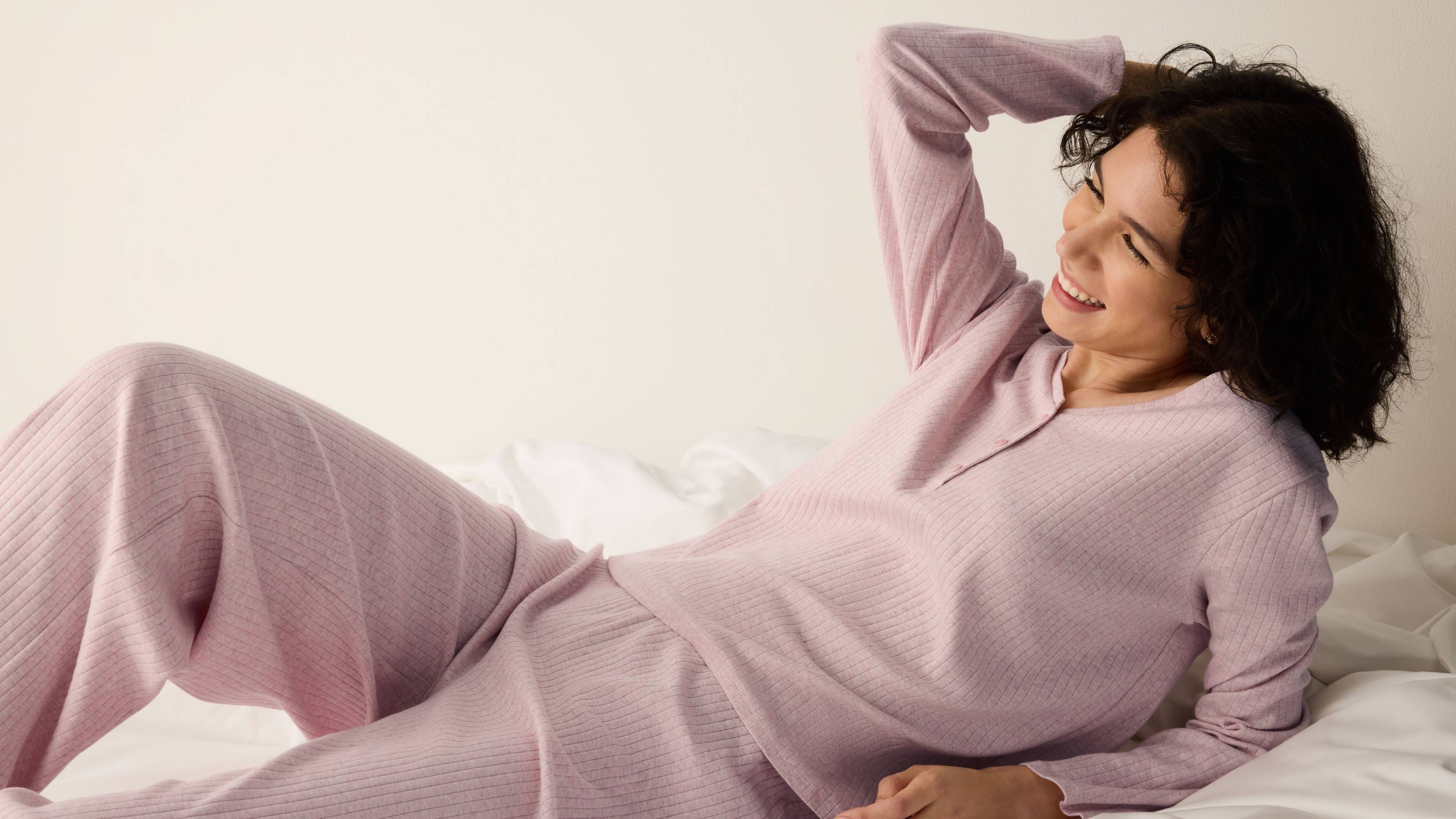
Image Source: Eileen Fisher
Why Is Cotton Suitable for Sleepwear?
Helps Maintain Air Circulation
Cotton features a fiber structure that allows air to circulate through the fabric. This breathable characteristic makes cotton feel more comfortable when worn for extended periods, including during sleep.
For those living in warm and humid climates like Indonesia, this property is an important consideration when selecting sleepwear materials.
Capable of Moisture Absorption
The body still produces sweat during sleep, especially when room temperatures are high. Cotton possesses moisture-absorbing capabilities that help manage dampness from the body.
However, this does not mean cotton keeps the body completely sweat-free. Once it absorbs a significant amount of moisture, cotton also takes time to dry. Therefore, fabric weight and construction should still be taken into account for sleepwear applications.
Offers a Comfortable Handfeel
Cotton is known for its soft and comfortable touch against the skin. This is one of the main reasons cotton is heavily used across various apparel products worn directly on the body.
For sleepwear, this trait becomes even more relevant since the garments are worn for hours at a time. The choice of fiber quality and yarn also influences how the fabric surface feels during use.
Flexible for Various Fabric Types
Cotton can be processed into various fabric constructions with distinct characteristics. Cotton jersey, for instance, offers stretch and flexibility, making it ideal for relaxed-fit pajamas. Meanwhile, cotton poplin provides a lighter, crisp, and neat structure.
This flexibility allows manufacturers to tailor cotton sleepwear to specific design requirements, comfort levels, and user preferences.
Durable Enough for Repeated Use
Sleepwear is worn regularly and subjected to frequent washing. Cotton exhibits good durability when properly processed and maintained, making it a reliable choice for everyday products.
Yarn quality, fabric construction, finishing processes, and care methods all play a part in determining the longevity of the final product.
Is All Cotton Suitable for Sleepwear?
Pay Attention to Cotton Yarn Quality
Even though products may all use cotton, the resulting fabric characteristics can vary. Fiber quality is a key factor influencing the spinning process and overall yarn quality.
Cotton USA explains that U.S. Cotton features fiber attributes—such as length, strength, and uniformity—that support the spinning process and produce high-quality yarn.
Because of this, textile manufacturers should select cotton yarn based on specific product requirements rather than relying solely on the cotton composition label.
Align Fabric Construction with Requirements
Beyond the type of cotton, factors such as thickness, fabric weight, construction, and finishing treatments also determine sleepwear comfort. For warm climates, lightweight cotton fabric serves as a more appropriate choice compared to excessively heavy fabrics.
By taking these factors into consideration early on, cotton can deliver the ideal combination of comfort, functionality, and durability required for sleepwear.
Choose High-Quality Cotton Yarn for Sleepwear
Raw material quality is a critical factor in producing consistent textile products. Danar Mas Group provides cotton yarn made with U.S. Cotton, known for its consistent fiber characteristics suited for yarn production needs.
Additionally, Danar Mas Group holds various certifications and standards related to its products and manufacturing processes, including the U.S. Cotton Trust Protocol and the Better Cotton Initiative (BCI). The utilization of U.S. Cotton alongside these standards supports the textile industry's demand for quality and raw material traceability.
So, is cotton suitable for sleepwear? The answer is yes. Its breathability, moisture-absorbing capability, skin comfort, construction flexibility, and durability make cotton a highly relevant choice for sleepwear.
For those in need of high-quality cotton yarn for textile production, selecting the right supplier and yarn specification is an essential step.
For your best textile product needs, please contact the Danar Mas Group team.