Textile Waste: Environmental Impact and Ways to Reduce It
Have you ever wondered where clothes, fabrics, or textile production scraps go when they are no longer in use? When a single garment is thrown away, its impact might feel small. However, when the amount reaches millions to billions of products, textile waste becomes an environmental issue that cannot be ignored.
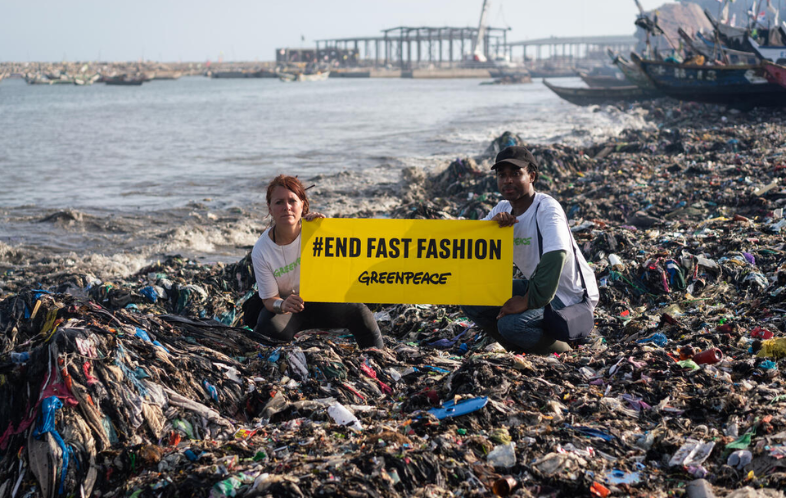
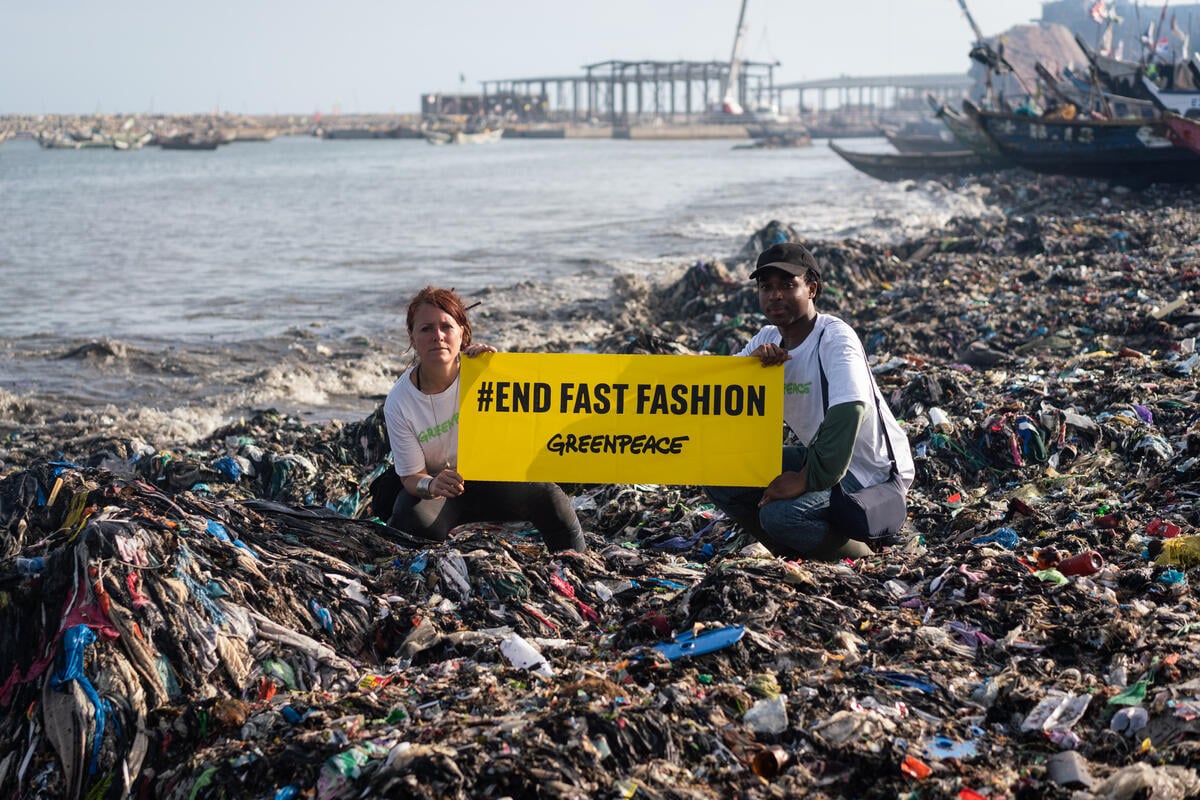
According to the United Nations Environment Programme (UNEP), around 92 million tons of textile waste are generated worldwide every year. Therefore, understanding the impact of textile waste and how to reduce it is a crucial part of driving a more sustainable textile industry.
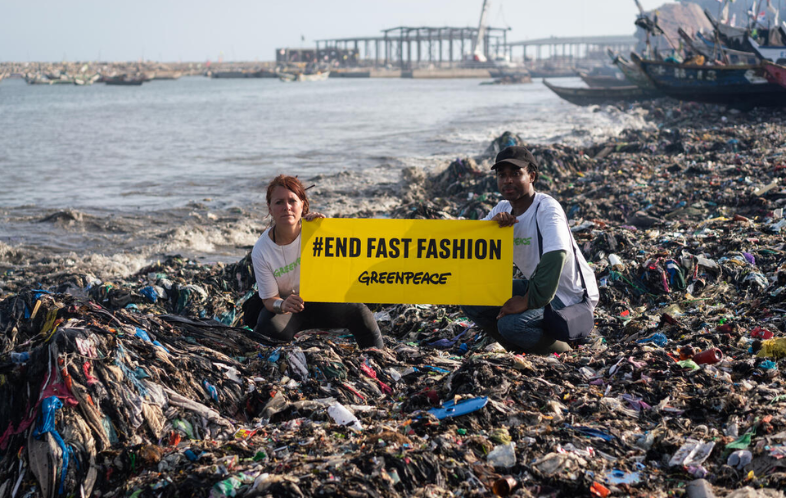
Image Source: Greenpeace
What is Textile Waste?
Where textile waste comes from
Textile waste refers to textile materials that are no longer used, unwanted, or leftover from the production process. The sources vary widely, ranging from fabric and yarn scraps in manufacturing processes to clothing that is no longer used by consumers.
This waste can be divided into pre-consumer textile waste, which is the scrap generated before products reach consumers, and post-consumer textile waste, which is textile products discarded after use.
What is the Environmental Impact of Textile Waste?
Increasing waste volume
One of the most visible impacts of textile waste is the increase in waste volume. Textiles that are not reused or recycled can end up in landfills.
UNEP states that globally, every second, an amount of clothing equivalent to one garbage truck is burned or sent to a landfill. This condition highlights the scale of the textile waste issue globally.
Contributing to water and soil pollution
Improper textile waste management can also contribute to environmental pollution. Certain materials may carry chemicals or dyes that have the potential to contaminate soil and water if not handled according to procedure.
In addition, synthetic-based textiles such as polyester can release microfibers when used or washed. These microfibers can enter the water system and become part of the microplastic issue.
Consuming already-used resources
Every textile product requires resources during its manufacturing process, such as raw materials, water, energy, and various manufacturing processes. When these products are used only briefly and then discarded, the resources already spent to make them are wasted.
This is why textile waste management is not only about how to dispose of waste, but also how to extend the lifespan and value of a material.
Increasing the carbon footprint
The textile industry has a long production chain, ranging from fiber production, spinning, weaving or knitting, dyeing, to distribution. Each stage requires energy and can generate emissions.
When textile products are discarded before their useful life ends, the energy and resources used throughout the process become less optimal. Therefore, extending the usage period of products is part of the effort to reduce environmental impact.
Read also: More Than Just Eco-Friendly, Here is the Importance of Sustainability in the Textile Industry
How to Reduce Textile Waste?
Use clothing longer
The simplest way to reduce textile waste is to extend the usage period of clothing. Caring for clothes properly, repairing damaged parts, and wearing them for as long as possible can reduce the need to buy and discard new clothes.
Reuse or donate
Clothes that no longer suit your needs but are still wearable can be given to others, donated, or resold. This approach helps extend the product life cycle without having to turn it directly into waste.
Choose reuse, upcycling, and recycling
Textile materials that can no longer be used as before can still serve other functions. Used fabrics, for example, can be turned into bags, rags, accessories, or new products through the upcycling process.
Meanwhile, materials that meet certain requirements can enter the textile waste recycling process to produce new fibers or materials. Sorting based on fiber type and material condition is an important step to make the recycling process run more effectively.
Reduce unnecessary purchases
Reducing textile consumption is also an important part of the solution. Before buying new products, consider whether the items are truly needed and how often they will be used.
This approach supports the concept of a circular economy in the textile industry, which keeps products and materials in use for as long as possible while minimizing waste.
Towards a More Sustainable Textile Industry
Addressing textile waste requires changes from various sides. Manufacturers can improve material efficiency and implement better waste management systems, while consumers can extend clothing lifespan, choose reuse, and sort textiles that are no longer used.
Ultimately, reducing the environmental impact of textile waste is not just about managing what has already become waste, but also preventing materials from becoming waste in the first place. The longer a product and material can be used, the greater our chances of reducing textile waste and supporting a more sustainable textile industry.
What habit do you think is the easiest to adopt to reduce textile waste in daily life?