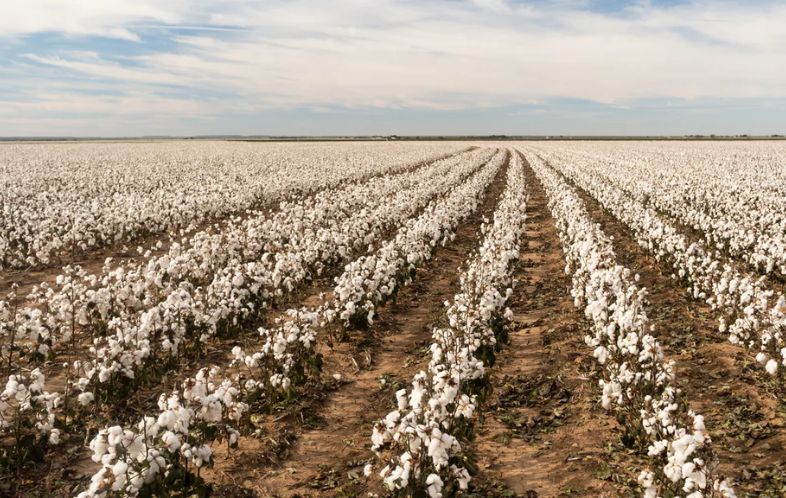
Why Does Cotton Vary by Region? Understanding the Impact of Climate and Soil
Cotton may appear simple once it is transformed into fabric. However, before reaching the spinning and weaving stages, cotton fibers undergo a long process heavily influenced by where they grow. Climate and soil conditions are key factors that shape the characteristics of cotton fibers, resulting in cotton from one region having distinct traits compared to another.
For more details, check out the information below.
Why Do Regional Conditions Affect Cotton?
Environment shapes cotton fiber characteristics
The quality of cotton fiber is influenced by the interaction between crop varieties, environmental conditions, and cultivation management. Factors such as extreme temperatures, water availability, pest pressure, and nutrient adequacy can affect staple length and fiber characteristics.
This means that when you find cotton with characteristics different from other regions, the distinction does not always stem from the variety alone. The conditions of the place where the cotton grows also play a significant role.
The Impact of Climate on Cotton Fiber Quality
Temperature and sunlight
Cotton requires suitable temperature conditions throughout its growth. Excessively high temperatures can put stress on the plant and potentially affect staple length, fiber strength, micronaire, and fiber uniformity. The USDA also notes that temperature increases can impact a range of fiber quality parameters.
Therefore, stable climate conditions tailored to the plant's needs help cotton develop optimally.
Water availability
Water is a vital factor in fiber formation. Water scarcity or water stress can hinder fiber development, potentially resulting in shorter fibers and reduced strength. A recent global meta-analysis in 2026 also indicates that deficit irrigation generally reduces fiber length and strength while making micronaire values less stable.
In other words, it is not just the amount of water that matters, but also when and how the crop receives it.
Read also: Cotton Combed for Children's Clothing: Is It Truly More Comfortable and Suitable for Kidswear?
How Soil Conditions Affect Cotton
Soil nutrients and structure
Soil provides the water and nutrients plants need to grow. The physical, chemical, and biological characteristics of the soil—including texture, pH, organic matter, and nutrient availability—can directly influence cotton growth.
Research has also identified relationships between several soil properties, such as pH, phosphorus, and organic matter, with yields and various cotton fiber characteristics, including micronaire.
Drainage and pH are also essential
Soil with poor drainage can lead to sub-optimal root conditions. On the other hand, excessively high pH levels or alkaline conditions can disrupt nutrient absorption, root growth, and photosynthesis, which ultimately impacts fiber quality.
Thus, good soil is not merely fertile soil, but soil with physical and chemical conditions that support the specific needs of the cotton plant.
From Cotton Fiber to Fabric
Raw material quality determines subsequent processes
The impact of climate and soil is ultimately reflected in cotton fiber characteristics, such as staple length, strength, length uniformity, and micronaire. These parameters are crucial because they directly affect the spinning process and the properties of the resulting yarn.
For example, longer and more uniform fibers support the spinning process and help produce high-performance yarn. Consequently, yarn quality contributes significantly to the final fabric's characteristics.
However, it is important to remember that fabric quality is not determined by climate and soil alone. Cotton variety, cultivation practices, harvesting and ginning processes, as well as spinning and weaving methods, all play vital roles.
Every region has its own characteristics
This is why discussing cotton quality requires looking beyond just the cotton variety name or country of origin. The geographical and environmental conditions where the cotton is cultivated are an integral part of the story behind its fiber quality.
Ultimately, the quality of cotton fabric begins long before the cotton enters the spinning machine—it starts from the moment the seed grows and interacts with its surrounding soil and climate.
When selecting raw materials, the origin of the cotton is certainly an interesting aspect to consider. So, after reading the article above, if you had to choose, which is more important: the cotton's origin, the fiber characteristics, or the yarn specifications?