What Is Natural Fiber? Learn Its Types and Characteristics
Not all fabrics feel, look, or behave the same way when used. One of the most decisive factors behind these traits is the type of fiber used as the raw material. Among various textile fiber options, natural fiber is still widely used due to its distinct characteristics and the comfort it brings to textile products.
What Is Natural Fiber?
Natural fiber refers to textile fibers sourced directly from nature, primarily from plants and animals. Unlike synthetic fibers, which are chemically manufactured from polymers, natural fibers are obtained from parts of plants or animals before undergoing various processing stages to become yarn and fabric.
In the textile industry, natural fibers display a wide variety of traits. Cotton, for instance, is known for its high absorbency, whereas linen offers strength and a distinct surface texture. Understanding the types and characteristics of natural fibers is essential for selecting the right material for your product needs.
Types of Natural Fibers
Generally, natural fibers are categorized into plant-based fibers and animal-based fibers.
Plant-based natural fibers
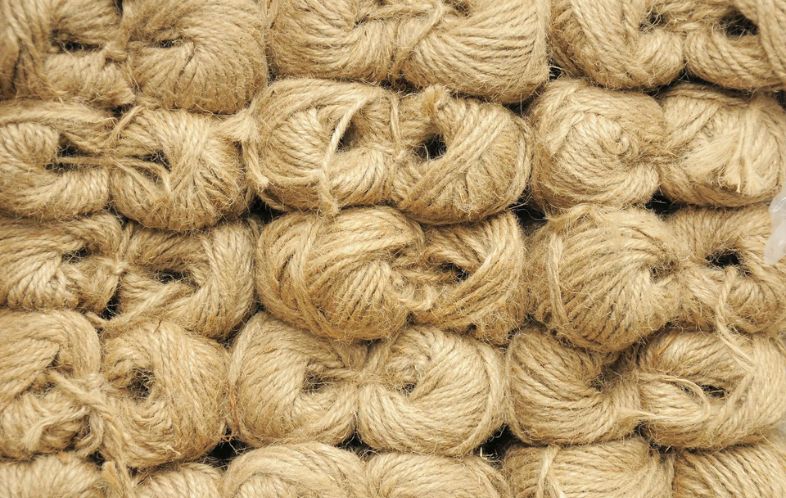
Plant fibers are typically cellulose-based and can originate from seeds, stems, leaves, or other plant parts. Common examples used in textiles include cotton, linen, hemp, jute, and ramie.
Cotton is one of the most widely used natural fibers in textile products. It boasts good absorbency and offers comfort, making it a staple in everyday apparel like t-shirts and shirts, as well as various home textile items.
Linen comes from the flax plant. Its fibers are celebrated for their strength, high absorbency, and light, cool feel. Hemp, jute, and ramie are also plant fibers, each possessing distinct characteristics tailored to specific product applications.
Animal-based natural fibers
Unlike plant fibers, animal fibers are primarily composed of protein. The most prominent examples are wool and silk.
Wool is typically harvested from sheep fleece and offers high elasticity alongside excellent thermal insulation. These attributes make it a popular choice for clothing and products that require heat retention.
Silk is produced by silkworms. It is renowned for its smooth, lustrous surface, good tensile strength, and ability to absorb moisture effectively.
Characteristics of Natural Fibers in Textiles
Every natural fiber performs differently, meaning it would be inaccurate to assume all natural fibers share identical traits.
Absorbency and comfort
Many natural fibers possess excellent moisture-absorbing capabilities. Cotton boasts high moisture absorption, while linen is similarly effective at absorbing and releasing moisture. This quality is a key reason natural fibers are heavily favored for apparel products.
Strength and elasticity
Strength, elasticity, and durability vary significantly across fibers. Linen is recognized for its high strength but low elasticity, whereas wool offers superior elasticity and resilience.
Surface texture and appearance
Natural fibers also impart distinct visual appeal and hand-feel. Cotton tends to have a matte, comfortable appearance; linen features a unique texture and natural sheen; wool has a more crimped structure; and silk is famous for its smooth surface and rich luster.
Natural Fiber vs. Synthetic Fiber
Choosing between natural and synthetic fibers should depend on more than just material origin. You must consider specific product requirements—including comfort, absorbency, strength, elasticity, durability, and production processes.
For certain products, natural fibers are blended with other fibers to achieve a balanced set of traits tailored to specific needs. By understanding the properties of each fiber, you can select the ideal material to deliver your target textile performance.
In conclusion, natural fiber is not merely a material choice; it is a critical factor determining the ultimate performance and feel of a textile product.
Which fiber type best suits your requirements? Understanding these fiber characteristics first will ensure you make the best choice for your products.