Compact vs Non-Compact Yarn: What's the Difference and Which is Better for Fabric?
In the textile industry, fabric quality is determined not only by the type of fiber used, but also by the yarn formation process. One comparison that often draws attention is compact vs non-compact yarn. Both are widely used in fabric and garment production, yet they possess different characteristics.
So, what exactly is the difference between compact and non-compact yarn? And which one is better for your textile production needs? Check out the explanation below.
What is Compact Yarn and Non-Compact Yarn?
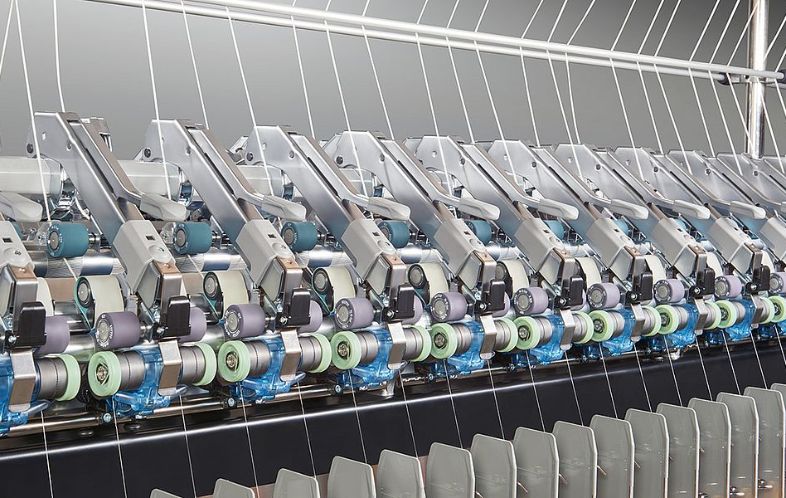
Compact yarn Compact yarn is yarn produced using compact spinning technology. In this process, cotton fibers are straightened and condensed before being spun into yarn. The result is a yarn with a denser structure, smoother feel, and a lower level of hairiness.
Non-compact yarn Non-compact yarn is generally produced using conventional ring spinning methods without a fiber condensing process. Consequently, some fibers can protrude from the yarn core, resulting in a slightly hairier surface compared to compact yarn.
Differences Between Compact and Non-Compact Yarn
Surface Smoothness Compact yarn has a smoother surface because its fibers are more neatly arranged. Meanwhile, non-compact yarn tends to have more protruding fibers on the surface.
Yarn Strength Due to its denser fiber structure, compact yarn generally offers better tensile strength compared to non-compact yarn of the same specification.
Pilling Risk Pilling refers to the formation of small fiber balls on the fabric surface after repeated use or washing. Compact yarn has a lower risk of pilling because fewer fibers protrude from the yarn surface.
Fabric Appearance and Quality Fabrics made from compact yarn usually look more even, clean, and premium. Conversely, fabrics from non-compact yarn have a slightly more natural texture with an appearance that is not as smooth as compact yarn.
Common Misconceptions About Compact Yarn
Compact is not a type of cotton One of the most common misconceptions is the assumption that compact cotton is a specific type of cotton. In reality, compact is not a type of fiber, but rather a method of yarn spinning. For example, two yarns can both be made from 100% cotton but yield different characteristics because different spinning processes were used. In other words, the main difference lies in how the yarn is made, not in the raw cotton material.
Compact & combed are different things The term compact is often conflated with combed, even though they serve different functions. Combed refers to the process of combing cotton fibers to remove short fibers and impurities, whereas compact refers to the fiber condensing technology used during the yarn spinning process. Therefore, a yarn can be both combed compact or carded compact, depending on the processes utilized.
Which is Better for Fabric?
Choose compact yarn for premium quality If you prioritize fabric smoothness, a neater appearance, better yarn strength, and a low risk of pilling, then compact yarn is the right choice. This type of yarn is widely used in premium t-shirts, export garments, activewear, and high-quality fashion products.
Choose non-compact yarn for cost efficiency Non-compact yarn remains a good choice for various textile production needs as it offers a more economical cost. This type of yarn is widely used for mass-market products and large-scale production requirements.
The difference between compact and non-compact yarn lies in their manufacturing processes. Compact yarn utilizes compact spinning technology, which produces smoother, stronger yarn with minimal hairiness. On the other hand, non-compact yarn is produced using conventional methods that are more economical while still capable of delivering quality fabric tailored to specific application needs.
The choice of yarn type should be aligned with the intended use of the product, the desired quality standards, and the available production budget.
For high-quality textile product needs and manufacturing solutions that match your business requirements, please contact Danar Mas Group for further information.