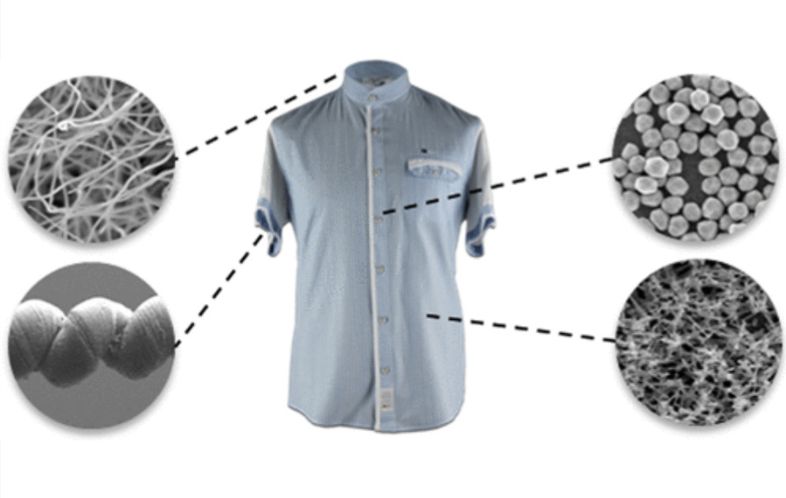
Is Your Brand Still Using Ordinary Fabrics? Here Are 6 Textile Innovations Already Used by Competitors
Amidst the tightening competition in the fashion and manufacturing industries, one thing is becoming clear: textile innovation is no longer an option, but a necessity. Many global brands have already shifted to materials that are more advanced, functional, and sustainable, moving beyond mere aesthetics. If your brand still relies on conventional fabrics, your competitors might already be a step ahead.
Here are 6 of the latest textile innovations gaining traction that have the potential to increase your product's value.
Is Your Brand Still Using Ordinary Fabrics? Here Are 6 Textile Innovations Already Used by Competitors
Amidst the tightening competition in the fashion and manufacturing industries, one thing is becoming clear: textile innovation is no longer an option, but a necessity. Many global brands have already shifted to materials that are more advanced, functional, and sustainable, moving beyond mere aesthetics. If your brand still relies on conventional fabrics, your competitors might already be a step ahead. Here are 6 of the latest textile innovations gaining traction that have the potential to increase your product's value.
1. Smart Textiles (Technology-Based Fabrics)
Functionality beyond just material
Smart textiles are innovations that integrate technology, such as sensors or electronic systems, directly into the fabric.
Can detect temperature, movement, and even body conditions.
Used in sportswear, medical wear, and fashion tech.
Can even respond to the environment (adaptive fabric). These smart textiles are a primary driver of industrial transformation by introducing new functionalities to fashion products.
2. Bio-Based Textiles (Nature & Biotechnology Materials)
Sustainable yet premium
Textile innovations based on bio-materials, such as natural fibers, mycelium, or plant-based ingredients, are increasingly being developed.
More eco-friendly and biodegradable.
Reduces dependence on synthetic materials.
Maintains high aesthetic quality. In Indonesia, for example, green textile research has developed fabrics from natural fibers enhanced with features like UV protection.
3. Anti-Bacterial & Self-Cleaning Fabric
The solution for more hygienic fabrics
Post-pandemic, the demand for hygienic fabrics has increased significantly.
Odor-resistant and anti-bacterial.
Reduces washing frequency.
More comfortable for daily wear. Local startups have even developed smart textiles with bio-active technology capable of fighting bacteria without harmful chemicals.
Read also: 5 Biggest Challenges for the Textile Industry in Implementing Eco-Friendly Production
4. Thermo-Adaptive Fabric
Fabrics that adjust to temperature
Fabric innovations that can "adapt" to body conditions and the environment.
Warms up when cold, cools down when hot.
Ideal for activewear and outdoor apparel.
Provides extra comfort for the user. This technology is part of the "responsive textiles" trend that continues to grow in the global market.
5. Recycled & Circular Textile
Turning waste into high-value products
Sustainability is now a crucial factor in purchasing decisions.
Utilizes textile waste or recycled materials.
Supports the concept of a circular economy.
Reduces the environmental impact of production. The sustainable textile market itself is projected to keep growing as consumer awareness of eco-friendly products increases.
6. High-Performance Fiber (Super Strong & Lightweight Fibers)
More durable, more valuable
Textile innovation also comes in the form of developing new fibers with high performance.
Stronger than ordinary cotton.
More durable and flexible.
Suitable for various applications, from industrial use to fashion. For instance, the development of ramie fiber in Indonesia shows great potential as a stronger and more sustainable textile material.
Industry trends point in one clear direction: products featuring textile innovation have a higher selling value compared to ordinary fabrics. It’s not just about the look, but also functionality, comfort, sustainability, and brand storytelling. If you want your brand to remain relevant and competitive, start considering the use of innovative fabrics and the latest textile technologies in your products.