Majun Cloth: From Textile Waste to High-Value Cleaning Solution
Behind its simple appearance, majun cloth plays an important role as an effective, economical, and environmentally friendly cleaning solution across many industrial sectors. From automotive workshops to manufacturing plants, the presence of majun cloth should not be underestimated. It is not just a piece of scrap fabric, but a functional asset in your workplace.
What Is Majun Cloth?
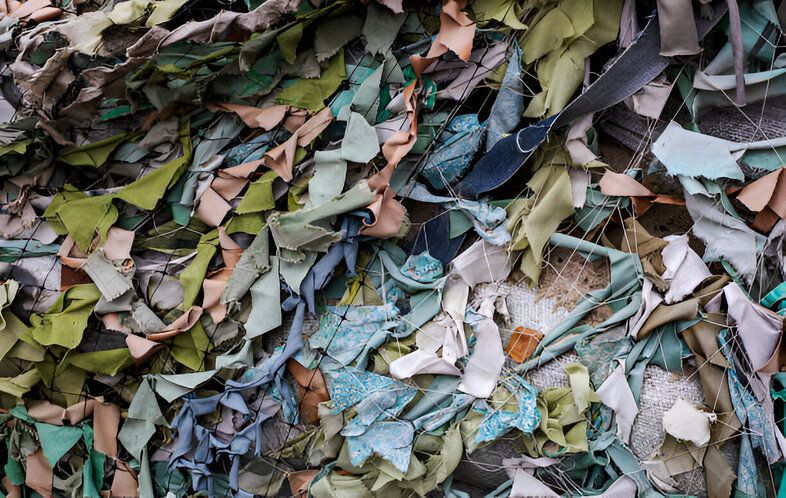
Simply put, majun cloth is scrap fabric or leftover textile pieces that are reprocessed into cleaning rags or multifunctional wiping materials. Its primary sources usually come from textile waste generated by garment industries or used clothing that can no longer be utilized for fashion products.
These fabric pieces are sorted, cut, and often sewn into more practical shapes for easier use.
Technical Explanation
In the textile and manufacturing industries, majun cloth primarily functions as an absorbent material for liquids such as oil, grease, paint, dust, and other contaminants. It is commonly used during production processes, machine maintenance, equipment repair, and general workspace cleaning.
Why Majun Cloth Is Not Just Ordinary Fabric
Although it may look simple, majun cloth has characteristics that make it more than just leftover material:
1. Effective Absorption Capacity
Majun cloth made from cotton or natural fibers has a strong fiber structure that absorbs liquids effectively. This makes it reliable for cleaning oil spills, lubricants, or water without tearing easily.
2. Multi-Sector Functionality
Majun cloth can be used in various environments, from heavy industrial areas to household settings that require quick cleaning solutions.
3. Environmentally Friendly Solution
Instead of being discarded as waste, scrap fabric is given a “second life” through processing into majun cloth, helping reduce textile waste that ends up in landfills.
Types of Majun Cloth You Should Know
Majun cloth comes in several variants available on the market, each with its own function and advantages:
Premium White Majun
Made from white cotton fabric, this type typically has higher absorbency and is suitable for tasks requiring maximum cleanliness, such as cleaning delicate machine components.
Colored Majun
Consists of mixed colored fabric scraps and is more economical. It is ideal for general cleaning tasks such as wiping dust, oil, or dirt in rough work areas.
Layered Majun
Several layers of fabric are sewn together, making it thicker and capable of absorbing more liquid. It is a suitable choice for factories, workshops, or large-scale industries.
Unstitched Sheet Majun
Available in flat sheet form and ready for use on large surfaces, making it practical for production floors or maintenance areas.
Advantages of Majun Cloth Compared to Other Alternatives
1. Cost-Effective
Because it is made from leftover materials, majun cloth is generally much more affordable than new cleaning rags or industrial tissues.
2. Eco-Friendly
It represents a simple form of the circular economy: waste that would otherwise become trash is transformed into a useful product.
3. Versatile
You can use it to clean machinery, production equipment, and even surfaces at home or in workshops.
How Majun Cloth Is Processed
The production process of majun cloth generally involves:
Material collection: gathering used clothing, production leftovers, and selected textile scraps
Initial cleaning: removing dust or large debris
Cutting & sorting: cutting fabrics into suitable rag sizes
Packing & distribution: supplying industrial, workshop, or business needs
In conclusion, majun cloth is not merely leftover fabric, but a versatile cleaning material that is cost-efficient, environmentally friendly, and plays a significant role in maintaining cleanliness and operational efficiency in your industry.
In a world increasingly aware of environmental impact and operational costs, majun cloth stands out as a practical solution worth considering for your needs.