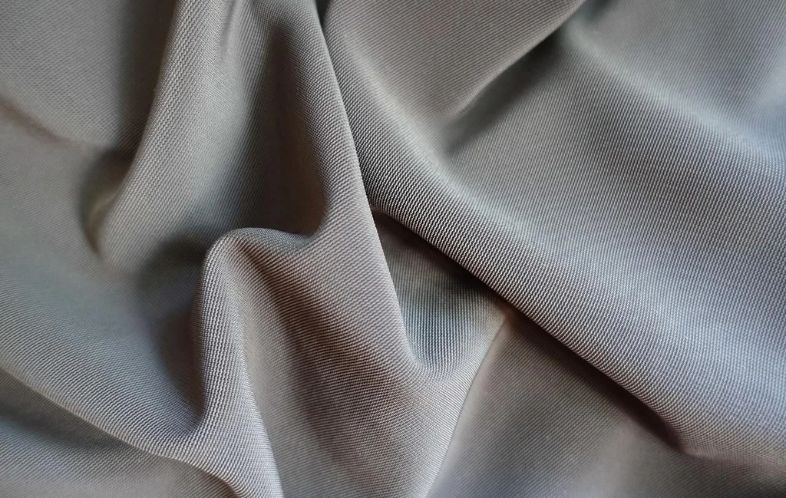
Before Choosing Fabric, Learn What Polyester Blends Are and Their Characteristics
Not all fabrics are made from a single type of fiber. Many textile products used every day—ranging from apparel and uniforms to home textiles—actually combine several types of fibers to achieve better performance. One of the most common options is polyester blends.By understanding their characteristics, you can choose the material that best suits your product requirements and production processes.
What Are Polyester Blends?
Definition of Polyester Blends
Polyester blends are fabrics made by combining polyester fibers with other fibers, whether natural or synthetic. The main objective of this blending process is to combine the strengths of each fiber to produce a fabric with more balanced characteristics.
For instance, polyester is known for its high durability, wrinkle resistance, and quick-drying properties. However, pure polyester has lower moisture absorption compared to natural fibers. Therefore, polyester is frequently blended with materials such as cotton, rayon, linen, or spandex to enhance comfort without sacrificing strength.
In the textile industry, polyester blend fabrics are a popular choice because they satisfy various requirements in terms of performance, cost efficiency, and ease of care.
Why Are Polyester Blends Widely Used?
Combining the Advantages of Various Fiber Types
Every fiber possesses distinct characteristics. Through the blending process, manufacturers can create fabrics that offer a combination of the best properties, such as:
Stronger and more durable
Wrinkle-resistant
Quick-drying
More comfortable to wear
Longer-lasting colors
Easier to care for
This approach also provides flexibility for the textile industry to tailor fabric specifications according to end-use requirements, from casual wear to work uniforms.
Read also: Differences Between Grade A, B, and C in Greige Woven Fabric: Which Is Best for Production?
Commonly Used Types of Polyester Blends
Polyester and Cotton (PC/CVC)
The polyester-cotton blend is one of the most popular combinations. Polyester provides strength and wrinkle resistance, while cotton improves absorbency and comfort when worn. This type of fabric is widely used for t-shirts, shirts, and uniforms.
Polyester and Rayon (TR)
Combining polyester with rayon results in a fabric that feels smooth, has a good drape, and remains durable. This material is frequently used for formal wear, trousers, blazers, and various types of uniforms.
Characteristics of Polyester Blends
Delivering More Balanced Performance
Compared to using a single fiber type, polyester blends offer a balance between comfort, durability, and ease of maintenance.
Generally, the higher the polyester content, the stronger, more wrinkle-resistant, and faster-drying the fabric will be. Conversely, a larger proportion of natural fibers usually enhances moisture absorption and wearing comfort. Therefore, the composition of polyester blends can be adjusted based on the requirements of the final product.
How to Choose the Right Polyester Blend?
Match with Product Function
There is no single best polyester blend composition for all needs. Material selection should consider the final function of the product.
For example, polyester-cotton is suitable for everyday wear and uniforms because it is both comfortable and durable. Meanwhile, polyester-rayon is better suited for apparel requiring a neat appearance and good drape, whereas polyester-spandex is the ideal choice for products that demand high elasticity.
Understanding what polyester blends are and their characteristics will help you determine the material that delivers optimal quality, comfort, and production efficiency.
For quality textile product needs with materials that meet industry standards, contact Danar Mas Group. We are ready to help you find the right textile solutions for your business needs.