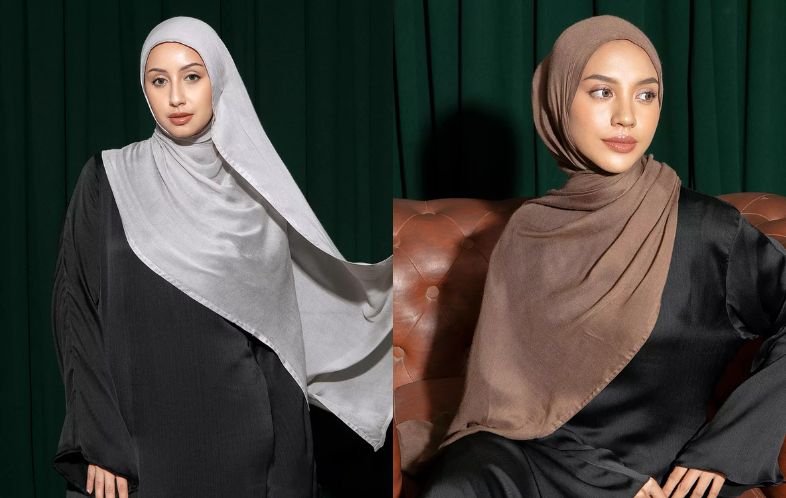
Why is Viscose Becoming the New Choice for Premium Hijabs?
Lately, more and more hijab brands are introducing collections made from viscose. From daily hijabs to premium lines, this fabric is becoming increasingly easy to find in the market. This trend isn't just about following market tastes; it's also driven by the growing consumer need for hijabs that are comfortable, lightweight, and still look elegant. So, what makes viscose fabric for hijabs increasingly sought after?
Getting to Know Viscose and Its Characteristics
What is viscose fabric?
Viscose is a regenerated cellulose fiber made from wood pulp—such as eucalyptus, beech, pine, or bamboo—that is processed into textile fibers. Because it originates from natural cellulose, viscose naturally possesses a soft character that feels comfortable against the skin. In the textile industry, viscose is often favored because it can offer a luxurious appearance at a more competitive price compared to several other natural fibers.
Viscose characteristics suitable for hijabs
There are several reasons why viscose hijabs are becoming increasingly popular, including:
Soft and smooth texture, making it comfortable to wear for extended periods
Good absorbency, which helps reduce the feeling of stuffiness
Lightweight with a natural drape, making it easy to style and shape
Provides a neat and elegant look without appearing overly stiff
These characteristics make viscose one of the favorite materials for both premium hijabs and modest fashion collections.
Why is Viscose Widely Used in Premium Hijabs?
Gives a premium feel without sacrificing comfort
Today's consumers consider not only design but also comfort when choosing a hijab. Viscose is able to present a flowier look with a soft touch, making it suitable for various activities, from working to attending formal events. This combination of aesthetics and comfort is what leads many brands to incorporate viscose into their premium lines.
Comfortable to wear in tropical climates
Indonesia has a climate that tends to be hot and humid. Therefore, hijab fabrics that can absorb moisture offer added value. Compared to some synthetic fibers, viscose boasts superior moisture-absorption capabilities, making it feel cooler and more comfortable in warm weather. This is one of the key drivers behind the rise in digital searches for viscose hijabs.
Also read: Types of Clothing Care Labels and How to Choose the Right One
Easy to pair with various designs
Beyond comfort, viscose also absorbs dyes exceptionally well. Color absorption tends to be bright and even, making it ideal for various patterns, from solid shades to printed hijabs. For manufacturers and fashion brands, this flexibility opens up opportunities to present more varied collections without compromising visual quality.
Viscose Trends in the Global Fashion Industry
Demand for regenerated cellulose fiber continues to grow
Growing attention to comfort and material quality has led to regenerated cellulose fibers—including viscose—being used more extensively across the global fashion industry. On the flip side, consumers are also starting to pay closer attention to the origin of materials used in textile products. Because of this, many brands now opt for viscose sourced from responsibly managed forests or certified for sustainability to meet international market expectations.
Material quality is a crucial factor
It's important to understand that the quality of viscose is not always uniform. The production process, pulp quality, and yarn processing all impact the final fabric's softness, strength, and durability. For textile industry players, choosing quality materials is an essential step to producing items that are not only comfortable to wear, but also deliver consistent performance.
Choosing the Right Material for Quality Textile Products
The trend of viscose fabric for premium hijabs demonstrates that consumers are prioritizing a blend of comfort, elegance, and material quality. With its soft, lightweight characteristics and excellent drape, viscose stands out as an attractive option for brands looking to offer added value. If you are looking for material solutions to develop quality textile products, selecting fabrics that align with market demands can be a strong first step toward creating more competitive offerings.