5 Differences Between Woven and Knitting: From Structure to Usage
Choosing the type of fabric is not just about color or texture, but also about understanding how the fabric is made. In the fashion and textile industry, the terms "woven" and "knitting" often appear because both are the foundation of various products, ranging from formal wear to activewear. For those of you who are developing a fashion business, producing garments, or simply want to understand fabric characteristics more deeply, knowing the difference between woven and knitting can help determine the material that best suits your product needs.
What Are Woven and Knitting?
Woven (Fabric with a stable & sturdy structure)
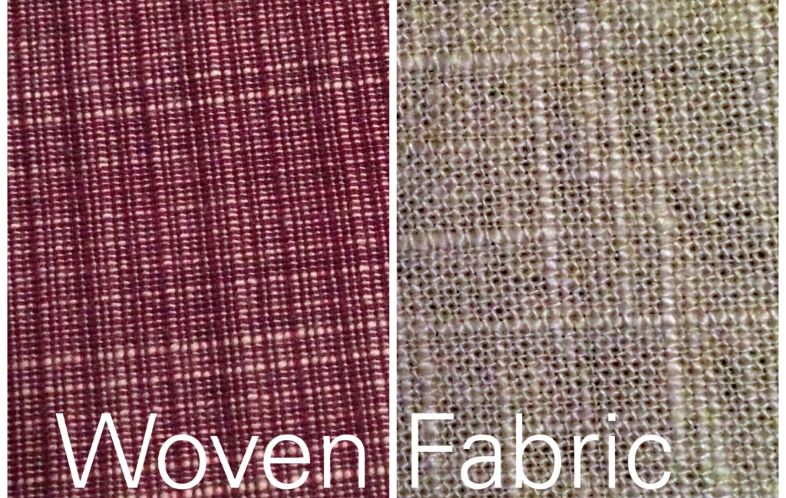
Woven is a fabric made through a weaving process, which involves interlacing two sets of yarns perpendicularly: the warp yarns (longitudinal) and the weft yarns (transverse). This structure produces a fabric that tends to be strong, stable, and maintains its shape better. Some commonly used examples of woven fabrics:
Poplin for shirts and dress shirts
Twill for chinos, jackets, and workwear
Denim for jeans and outerwear
Canvas for tote bags, aprons, and accessories
Linen for breathable clothing with a premium look
Knitting (Flexible fabric with natural stretch)
Unlike woven, knitting is made from one or more yarns formed into interlocking loops. This technique creates a structure that is more elastic, flexible, and comfortable as it follows body movements. Popular examples of knitting fabrics:
Single Jersey for t-shirts
Rib Knit for cuffs, collars, and body-fit apparel
Interlock for premium basic clothing
Pique for polo shirts
French Terry for hoodies and joggers
Read also: 7 Ways to Choose Quality Fabric Materials for a Fashion Business
To understand which material is most appropriate, it is important for you to recognize the differences between woven and knitting in more detail. Here are the 5 main differences between woven and knitting, from their structure to their use in various fashion products.
1. Fabric construction structure
The most fundamental difference between woven and knitting lies in how they are made.
Woven uses a horizontal and vertical crisscross pattern, resulting in a tighter and more structured finish.
Knitting uses a loop system, making the fabric more supple and adaptable. This structure affects almost all fabric characteristics, including durability and drape.
2. Level of elasticity
If you need a fabric with high mobility, knitting is usually the primary choice.
Woven has low stretch because the yarn structure is locked. Additional elasticity usually comes from a blend of spandex or elastane.
Knitting has natural stretch without needing many elastic fiber blends. This is why activewear, sportswear, and loungewear use knitting more often.
3. Shape retention and durability
In the long run, woven tends to be superior in maintaining its shape.
Woven is more resistant to deformation, does not stretch out easily, and is suitable for products with sharp silhouettes.
Knitting excels in terms of comfort but has the potential to lose shape if the material or finishing is suboptimal. For products like blazers, shirts, and trousers, woven is often chosen for its better durability.
4. Texture and feel when worn
User comfort is also an important factor in choosing a fabric type.
Woven generally feels crisper, firmer, and more structured. Some premium wovens still feel soft, but with a more defined "body."
Knitting tends to be softer, smoother, and flowier, making it comfortable for everyday wear. This choice depends on your product positioning: formal, casual, or performance wear.
5. Usage in fashion products
The application of woven and knitting differs greatly based on their characteristics.
Woven products include formal shirts, structured dresses, blazers, tailored trousers, bags, and accessories.
Knitting products include t-shirts, sweaters, leggings, polo shirts, hoodies, and activewear. Understanding these uses is important so that the material aligns with the function of the final product.
So Which is Better, Woven or Knitting?
The answer depends on your needs. No material is always "better" because woven and knitting serve different functions.
Choose woven if you need:
Strong and stable structure
A more formal or premium look
Products that retain their shape
Choose knitting if you need:
High stretch and flexibility
Maximum comfort
Casual or activewear products
By understanding these 5 differences between woven and knitting, you can determine the right material to improve the quality, comfort, and value of your fashion products.