What is GOTS? Understanding the Global Organic Textile Standard for the Industry
As the textile industry places greater emphasis on sustainability, terms like organic textile, sustainable textile, and environmental certifications are being used more frequently. However, how can we ensure that a product truly meets accountable standards? One of the most widely used standards in the global textile supply chain is GOTS (Global Organic Textile Standard). This standard not only evaluates organic raw materials but also monitors how textiles are processed through to the finished product.
What is GOTS?
Understanding GOTS
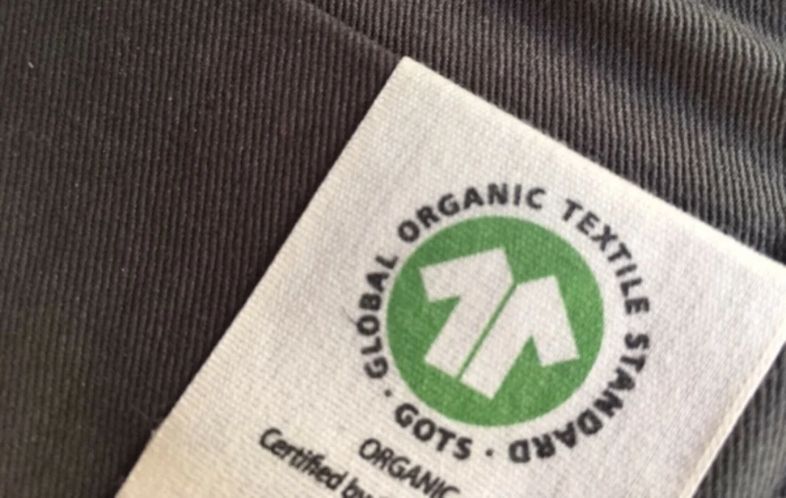
GOTS, or Global Organic Textile Standard, is an international standard for processing textiles made from certified organic fibers. GOTS was developed to set requirements covering various stages of the textile production chain, from raw materials to market-ready products. In its application, GOTS integrates environmental, social, quality, chemical, and traceability requirements. Because of this, GOTS certification does not merely indicate that a product uses organic fibers. GOTS is also continuously updated to keep pace with industry developments. GOTS Version 8.0 was released in March 2026, introducing updates related to supply chain accountability, air emissions, waste management, product safety, and circularity aspects. This version will become mandatory for audits and assessments starting March 1, 2027.
What is Regulated Under the GOTS Standard?
Organic Raw Materials
One of the core foundations of the GOTS standard is the use of organic fibers that meet certification requirements. Under previous GOTS provisions, products bearing the GOTS label were required to contain at least 70% certified organic fibers. Requirements regarding composition and labeling must be carefully observed according to product categories and the applicable standard version. With these requirements, claims of being an organic textile product are not based solely on manufacturer declarations, but must be supported by a verification process across the supply chain.
Use of Chemicals
The textile production process involves various chemicals, such as those used in dyeing and finishing. Therefore, GOTS sets strict requirements regarding the chemicals that can be used during production. GOTS also maintains a restricted substance list to help reduce risks to human health and the environment. In the Version 8.0 update, requirements related to chemicals and product safety have been further strengthened.
Environmental Management
GOTS in the textile industry also covers environmental aspects throughout the production process. Requirements pertain to wastewater management, emissions, production waste, and resource utilization, among others. In GOTS Version 8.0, several environmental requirements were updated and reinforced, including air emissions and waste management. These updates demonstrate that organic textile standards continue to evolve alongside industry needs and sustainability demands.
Working Conditions and Social Aspects
Sustainability in the Global Organic Textile Standard extends beyond environmental factors. GOTS also incorporates social criteria into its production evaluation. Aspects such as working conditions, workers' rights, protection against discrimination, and fair labor practices form an integral part of the requirements certified entities must fulfill. Through this approach, GOTS aims to view sustainability holistically across the entire textile production chain.
Read also: BCI vs US Cotton Trust Protocol: What's the Difference and Which is Best for the Textile Industry?
Why is GOTS Certification Important for the Industry?
Enhancing Product Credibility
For textile industry players, GOTS certification serves as a way to demonstrate that their production process meets internationally recognized standards. Certification is conducted by independent Certification Bodies approved by GOTS. The process involves inspecting and auditing facilities and reviewing requirements relevant to the scope of certification.
Supporting Supply Chain Transparency
The textile supply chain involves many stages and entities, making transparency increasingly vital. GOTS applies a traceability approach to help maintain the integrity of certified products from raw materials to the finished goods. This aligns with the industry's growing demand for verifiable information regarding material origins, production processes, and sustainability claims.
Meeting Global Market Demand
The adoption of GOTS in the textile industry is becoming increasingly relevant as attention shifts toward responsible production practices. According to the Global Standard 2025 report, there were 17,800 GOTS-certified facilities across 95 countries, reflecting a 15.3% increase compared to the previous year. These numbers show that GOTS has become an established component of the textile supply chain across various markets and countries.
GOTS is More Than Just an Organic Label
Looking at the Process Holistically
Understanding what GOTS is helps illustrate that this standard covers a much broader scope than simply using organic materials. GOTS considers various aspects of the production chain—including raw materials, processing, chemicals, environment, social conditions, and transparency. For the textile industry, understanding the GOTS standard helps businesses keep up with evolving market demands and build more transparent, responsible production processes. We believe that understanding standards like GOTS is essential not only for meeting current market demand but also for preparing the textile industry to navigate continuously evolving sustainability standards.
So, what are your thoughts on implementing GOTS certification in the textile industry?