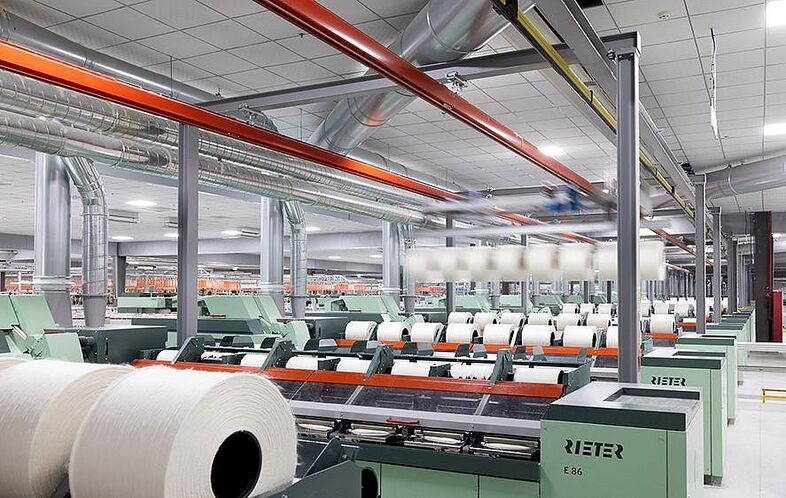
Why Is the Combing Process Important in Producing High-Quality Yarn?
In the textile industry, yarn quality is not only determined by the cotton raw material, but also by the processing stages it goes through. One of the most important stages that often determines the final yarn quality is the combing process. This technology is widely used in premium yarn production because it can produce fibers that are cleaner, smoother, and stronger.
It is no surprise that many fashion brands and global textile manufacturers choose combed yarn to create fabrics with better comfort and appearance. So, what exactly is the combing process, and why is it so important in the modern textile industry?
What Is the Combing Process in the Textile Industry?
Understanding the Combing Process
The material produced from the combing process will go through the drawing and roving stages before entering the spinning process to become yarn. The main purpose of this process is to separate short fibers, remove remaining fine impurities, and align the fibers more evenly.
In yarn manufacturing, combing is an essential stage for producing combed cotton yarn with higher quality compared to regular yarn.
How Does the Combing Process Work?
In a combing machine, cotton fibers are combed using a high-speed special comb. This process helps to:
- Remove short fibers
- Reduce neps or small fiber clusters
- Improve fiber uniformity
- Create a cleaner and smoother yarn surface
After the combing process is completed, the fibers proceed to the drawing and spinning stages to be formed into production-ready yarn.
Why Is the Combing Process So Important?
Produces Smoother and Neater Yarn
One of the main reasons the combing process is used is to produce yarn with a smoother surface. Since the short fibers have been removed, the resulting yarn becomes softer and has minimal hairiness.
This is why fabrics made from combed cotton feel more comfortable to wear, especially for premium apparel such as t-shirts, baby clothing, and activewear.
Improves Yarn Strength
Longer fibers that are aligned more evenly create stronger yarn. This is important in both weaving and knitting processes because it helps reduce the risk of yarn breakage during production.
For the textile industry, stable yarn quality also helps improve production efficiency and the final fabric quality.
Helps Produce More Premium Fabrics
The combing process significantly affects the appearance of the fabric. Neater yarn creates fabric surfaces that are:
- Smoother
- More even in color appearance
- Comfortable on the skin
- Cleaner in overall look
Therefore, the combing process is widely used in high-quality textile production that prioritizes comfort and durability.
Read also: Combed vs Carded Cotton: Characteristics, Advantages, and Disadvantages
Combing Process in the Modern Textile Industry
Used for Global Production Standards
Today, many textile manufacturers use the combing process to meet international quality standards. The increasing demand for fabrics that are more comfortable, stronger, and more durable has made combed yarn widely used across various sectors of the fashion industry.
In addition, the development of modern combing machine technology has helped improve production efficiency while maintaining consistent yarn quality.
An Important Factor in Product Quality
In the modern textile industry, yarn quality greatly affects the final fabric result. Therefore, the combing process is not just an additional stage, but an essential part of creating textile products with better performance.
Choosing the right yarn helps produce textile products that are comfortable to use, durable, and suitable for current market demands.
The combing process plays a major role in producing high-quality yarn for various textile industry needs. With fibers that are cleaner, smoother, and stronger, combed yarn can produce more premium and comfortable fabrics.
If you are looking for high-quality textile products with the best production standards, please contact the Danar Mas Group team to find textile solutions tailored to your business needs.