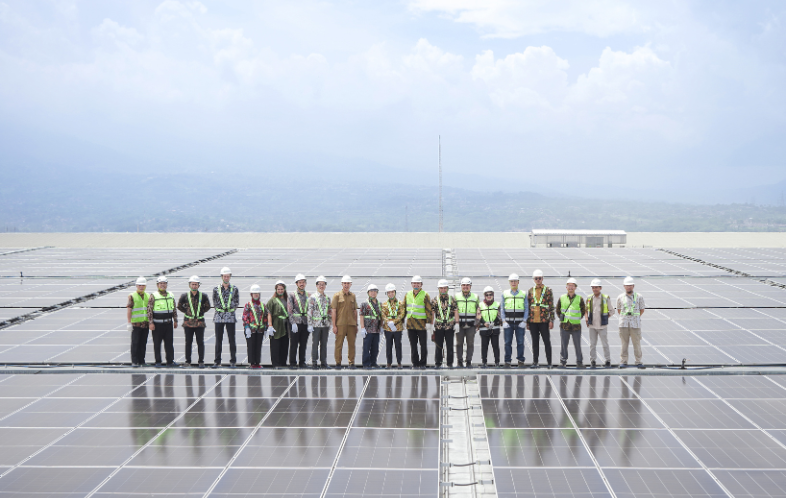
Is the Textile Industry More Efficient Using Solar Energy?
There is a textile factory operating with large machines and continuous electricity demands. Behind the fabrics produced, energy plays a vital role in every stage of production. Therefore, energy efficiency is not just about reducing expenses, but also about how the industry can produce more sustainably.
One of the steps starting to be implemented is the use of solar energy through Solar Power Systems (PLTS). So, how big is its impact on the textile industry?
Let's look at the full explanation here.
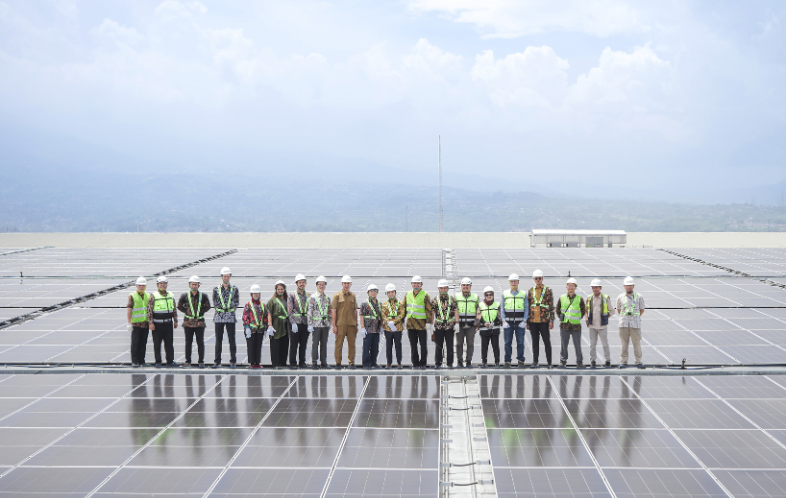
Why Does the Textile Industry Require So Much Energy?
The role of energy in the production process
The textile industry requires energy to run various machines and production support facilities. In a spinning mill, for example, ring spinning machines, air compressors, and HVAC systems require a substantial electricity supply.
As Danar Mas Group has previously detailed regarding the benefits of solar panels for spinning mills, high electricity consumption makes energy management a crucial part of maintaining operational efficiency.
When electricity demand increases, using alternative energy sources becomes a key consideration to help manage production costs.
How Does Solar Energy Help Textile Factory Efficiency?
1. Reducing reliance on conventional electricity
Solar energy can be harnessed through photovoltaic (PV) panels that convert sunlight into electricity. In the textile industry, this electricity can be used to support factory operational needs.
In rooftop on-grid solar power systems, the electricity generated by solar panels is used alongside the supply from the national grid (PLN). Thus, a portion of the factory's electricity needs can be met by solar energy.
2. Helping manage energy costs
Electricity costs are one of the key operational components of a textile factory. Utilizing solar power has the potential to reduce electricity purchases from the grid, especially when production takes place during the day.
However, cost efficiency is not solely determined by installing solar panels. System capacity, electricity consumption patterns, roof area, and initial investment costs also need to be taken into account.
3. Supporting emission reduction
Beyond economic benefits, solar energy also plays a role in textile industry sustainability. Electricity generated from renewable sources helps reduce emissions associated with conventional power usage.
This becomes relevant for industries looking to improve energy efficiency while supporting targets to minimize environmental impact.
Read also: Textile Certification Is Key to Entering the Export Market, Here Is Why
What Is the Impact of Solar Power Systems on the Textile Industry?
Efficiency not measured solely by cost
The use of solar energy impacts several operational aspects. Factories can manage energy sources more diversely, reduce reliance on a single power supply, and support energy tracking for sustainability reporting.
Nevertheless, solar power systems are not a standalone solution for all efficiency challenges. The use of energy-efficient machinery, equipment maintenance, and production process management remain necessary to control overall electricity consumption.
Implementation challenges
Installing solar panels requires technical planning. Roof structural conditions, electrical capacity, installation area, and production needs must all be carefully considered.
Additionally, solar energy depends on sunlight availability. Therefore, solar power systems must be designed to match the factory's operational needs and consumption patterns.
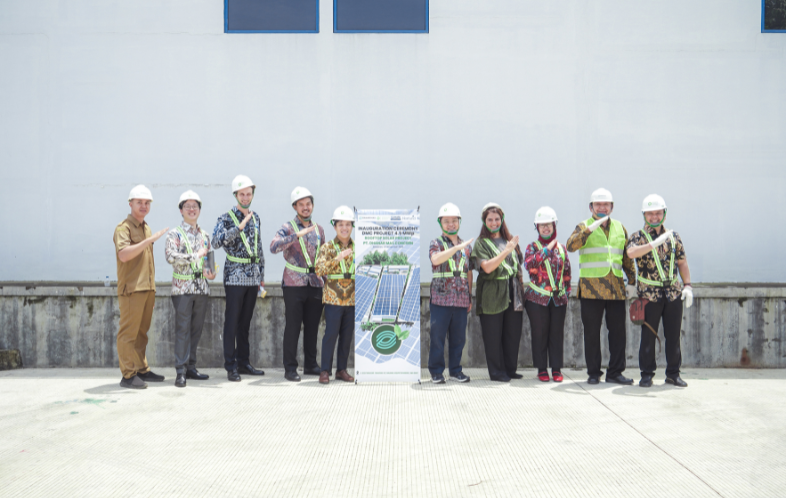
Implementation of Solar Energy at Danar Mas Group
Concrete steps toward energy efficiency
Danar Mas Group has also utilized solar power systems in its operations. One such implementation is at DMC Banjaran, which employs a rooftop on-grid solar system connected to the national grid.
This system has a capacity of 4,500 kWp (DC) or 3,600 kVA (AC), with a reported CO₂ emission reduction of around 5,000 tons per year.
This implementation demonstrates how harnessing solar energy can be part of the textile industry's efforts to manage energy needs and support a more sustainable production process.
So, is the textile industry more efficient using solar energy? Solar energy can help improve energy efficiency, reduce reliance on conventional electricity, and support sustainability. However, the outcome still depends on planning, system capacity, and comprehensive energy management.
If you need high-quality textile products for various needs, please contact the Danar Mas Group team. We are ready to help provide textile products tailored to your requirements.