Why Is Textile Testing Important? Its Impact on Product Quality
Have you ever wondered why two fabrics that look similar can perform very differently in actual use? Some fabrics fade quickly, tear easily, or shrink after washing. Others remain durable, comfortable, and consistent even after long-term use. Behind these differences lies an essential process that often goes unnoticed: textile testing.
For the textile industry, particularly fabric manufacturers, testing is not merely a formality. It is a critical step in ensuring that every product meets established quality standards.
What Is Textile Testing?
Understanding Textile Testing in the Industry
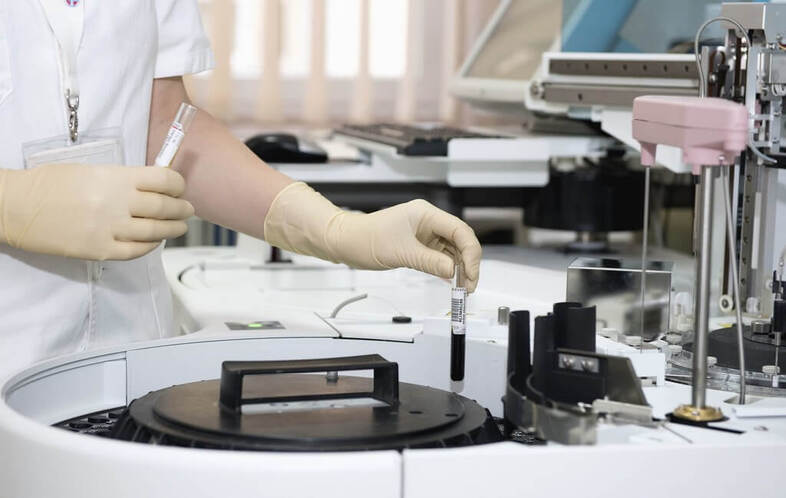
Textile testing is the process of evaluating fibers, yarns, fabrics, and finished textile products to measure their quality, performance, safety, and compliance with specific requirements. Test results provide objective data that support decision-making throughout production and quality control processes.
In modern textile manufacturing, testing is conducted at multiple stages, from raw materials to finished products before they are delivered to customers or buyers.
Why Is Textile Testing Important for Textile Manufacturers?
Maintaining Consistent Quality Across Production Batches
One of the biggest challenges in the textile industry is maintaining consistent quality across every production batch. Through textile testing, manufacturers can ensure that fabric characteristics such as strength, thickness, color, and weight remain aligned with predetermined specifications.
Detecting Problems Early in Production
Testing from the raw material stage helps identify potential issues before products move on to subsequent manufacturing processes. As a result, manufacturers can reduce the risk of defects, material waste, and costly corrective actions later in production.
Meeting Buyer Requirements and Industry Standards
Many buyers and brands require specific test results before accepting textile products. Therefore, textile testing plays a crucial role in ensuring compliance with international standards developed by organizations such as the American Association of Textile Chemists and Colorists (AATCC), ASTM International, and the International Organization for Standardization (ISO).
Reducing Customer Complaints and Product Returns
Fabrics that fade, shrink, or deteriorate during use can lead to customer dissatisfaction and complaints. By implementing effective textile quality control through testing, manufacturers can minimize the risk of product failures in the market while protecting their reputation.
Read also: Warp Yarn vs. Weft Yarn: What’s the Difference and Why Does It Matter in Woven Fabrics?
Common Types of Textile Testing
Physical Testing
Physical testing is used to measure the mechanical properties of fabrics, including:
- Tensile strength
- Tear strength
- Abrasion resistance
- Fabric thickness
- Fabric weight (GSM)
These tests help ensure that fabrics are suitable for their intended applications and performance requirements.
Color Fastness Testing
This type of testing evaluates how well a fabric’s color withstands various conditions, such as:
- Washing
- Rubbing or friction
- Perspiration
- Light exposure
Color fastness is one of the most frequently requested parameters by buyers because it directly affects the quality and appearance of the final product.
Dimensional Stability Testing
Dimensional stability testing determines whether a fabric changes size after washing or specific usage conditions. The results help manufacturers ensure that products maintain the dimensions expected by customers.
The Impact of Textile Testing on Product Quality
Building Customer Trust
Products that have undergone comprehensive testing offer more measurable and consistent quality. This helps build customer confidence and strengthen long-term business relationships.
Improving Production Efficiency
Testing data enables manufacturers to identify and resolve process issues quickly and accurately. As a result, production efficiency improves while potential losses caused by defective products can be minimized.
Enhancing Industry Competitiveness
As competition within the textile industry continues to intensify, the ability to consistently produce high-quality products becomes a significant competitive advantage. Textile testing helps companies meet market expectations while maintaining superior quality standards.
Textile testing is an essential part of the quality control process that helps manufacturers ensure product quality, consistency, and performance before products reach the market. From raw material evaluation to finished product inspection, every stage of testing plays a vital role in reducing defects, meeting buyer requirements, and improving customer satisfaction.
For high-quality textile products manufactured under strict quality control standards, trust your needs to Danar Mas Group. We are ready to provide textile solutions tailored to the demands of your industry.