Warp vs. Weft: What is the Difference and Why Do They Matter in Woven Fabrics?
When looking at a piece of fabric, many people only notice the color, pattern, or texture. In fact, the quality and character of a fabric are highly determined by two basic elements working behind the scenes: warp and weft yarns. Both serve as the main foundation in the weaving process and play a crucial role in determining the strength, comfort, and final appearance of the fabric.
So, what exactly is the difference between warp and weft yarns? Why are they so important in the textile industry? Check out the explanation below.
What Are Warp and Weft Yarns?
Warp Yarns (Benang Lusi)
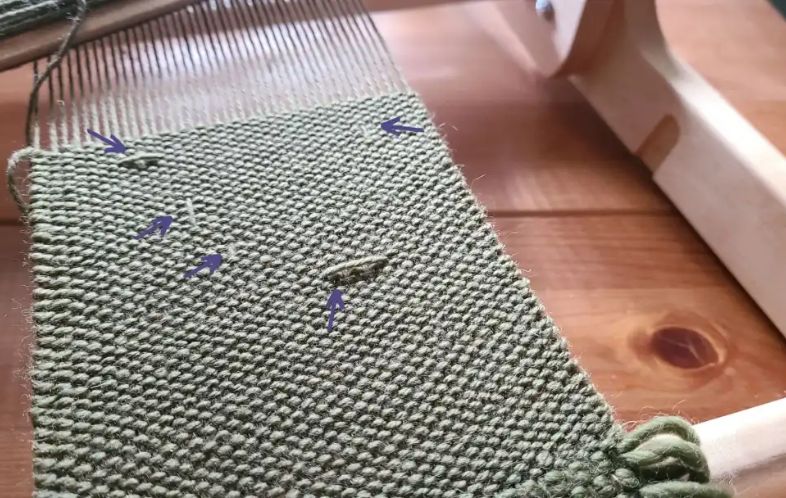
Warp yarns are the threads that are attached lengthwise along the fabric on the loom. In the weaving process, these yarns are kept under tension and serve as the main framework that supports the fabric structure. Because they must withstand tension and friction during the production process, warp yarns generally have higher strength compared to weft yarns. The quality of warp yarns also significantly affects the stability and durability of the resulting fabric.
Weft Yarns (Benang Pakan)
Weft yarns are the threads that are inserted crosswise or along the width of the fabric. These yarns are woven through the gaps of the warp yarns to form a specific weave pattern. Unlike warp yarns, weft yarns usually have higher flexibility because they do not experience as much tension as warp yarns during the weaving process.
Differences Between Warp and Weft Yarns
Yarn direction in the fabric
The most fundamental difference lies in the direction of their placement. Warp yarns run vertically or lengthwise, while weft yarns are inserted horizontally or crosswise. It is the interlocking structure between these two yarns that forms a complete sheet of fabric.
Function in the weaving process
Warp yarns function as the main framework that maintains the shape and strength of the fabric. Meanwhile, weft yarns play a role in filling the fabric structure and helping to shape its visual character and texture. The balance between warp and weft yarns is crucial to producing fabric with consistent quality.
Level of strength and durability
Because they bear a greater load during the production process, warp yarns generally have a higher level of strength. Conversely, weft yarns tend to be more flexible and contribute to the comfort and flexibility of the fabric.
Why Are Warp and Weft Yarns Important?
Determining fabric quality
The composition, count, and quality of both warp and weft yarns will affect the overall character of the fabric. This ranges from strength, thickness, density, to durability for daily use. The more precise the combination of the two, the better the performance of the resulting fabric.
Affecting texture and appearance
The type of yarn and the weave pattern used can create various fabric characters, ranging from smooth, soft, to textured. This is the reason why fabrics made from the same raw material can look completely different.
Supporting various types of weaves
In the modern textile industry, warp and weft yarns form the basis for creating various types of weaves, such as plain weave, twill weave, and satin weave. Each type of weave has its own advantages according to the needs of the final product.
Easy Ways to Tell Warp and Weft Yarns Apart
Observe the direction of the fabric fibers
The simplest way is to look at the direction of the yarns in the fabric. The yarns running lengthwise are usually the warp, while the yarns running crosswise are the weft.
Check the level of flexibility
In many types of woven fabrics, the weft direction generally feels slightly more flexible than the warp direction due to differences in yarn structure and tension.
Understanding the difference between warp and weft yarns is an important step in getting to know the basic structure of fabric. Although it looks simple, these two types of yarns play a massive role in determining the quality, strength, texture, and final appearance of textile products.
By recognizing the function of each yarn, you can more easily understand how a fabric is formed and why each type of fabric has different characteristics.